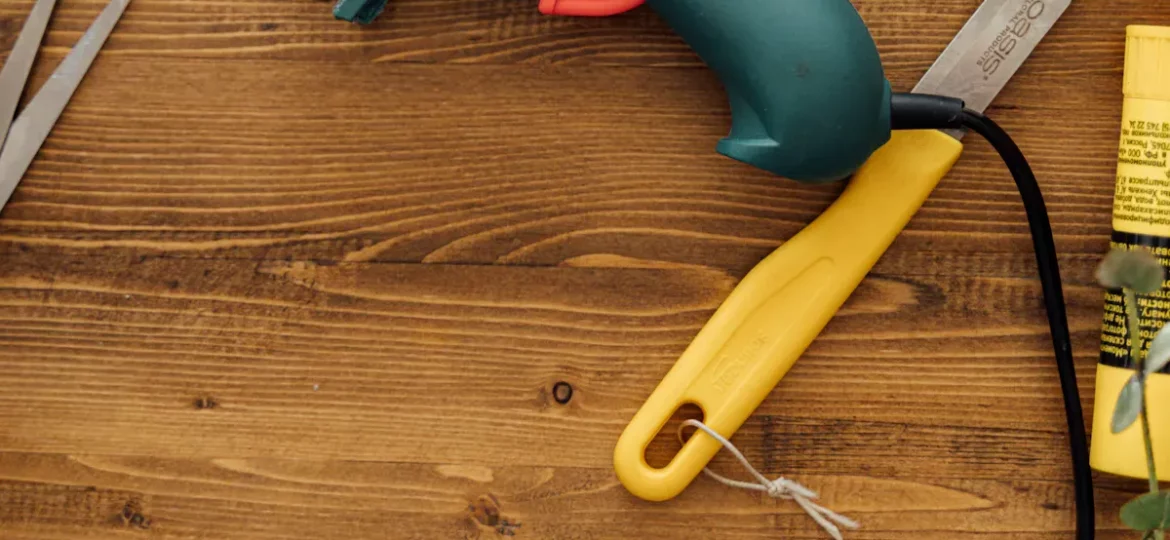
Selecting the right heat gun is crucial for your projects, and proper Heat Gun Selection involves considering several factors. Temperature control allows you to adjust the heat for various tasks, while material compatibility ensures that the heat gun is effective on your surfaces. Additionally, safety features are essential for keeping you safe during use. Professionals in various industries often require more powerful tools, whereas craft enthusiasts may prioritize flexibility and ease of use.
Project Needs
Application Requirements
When you pick a heat gun, knowing your application needs is very important. Different jobs need different features. For example, if you want to strip paint, you need a heat gun that gets very hot. On the other hand, if you are working with delicate materials, a lower temperature is important to prevent damage. Here are some common uses and what they need:
- Paint Stripping: Needs high temperatures (around 750°F) to take off old paint.
- Shrink Wrapping: Requires moderate heat (around 400°F) to shrink plastic without burning it.
- Soldering: Often needs precise temperature control to protect electronic parts.
- Plastic Welding: Requires steady heat to join materials together well.
Knowing these needs helps you make smart choices when picking a heat gun.
Material Compatibility
Material compatibility is very important for how well your heat gun works. Not all heat guns are good for every material. You should think about the types of materials you will use. Here’s a quick guide to check compatibility:
| Material Type | Recommended Temperature Range | Notes |
|---|---|---|
| Wood | 300°F – 500°F | Avoid overheating to stop charring. |
| Plastic | 200°F – 400°F | Use lower settings to avoid melting. |
| Metal | 500°F – 800°F | Higher temperatures are usually safe. |
| Adhesives | 250°F – 400°F | Make sure to heat evenly for good bonding. |
Using the right heat gun for your materials gives better results and helps your project succeed. Marjan Polymer Pakistan has many heat guns for different materials and uses, making it easier for you to find the right tool for your needs.
By knowing both application needs and material compatibility, you can confidently choose the right heat gun for your projects.
Types of Heat Guns
Standard Heat Guns
Standard heat guns are useful tools for many jobs. You can use them to strip paint, shrink wrap, or dry paint. These heat guns usually have adjustable temperature settings. This lets you pick the right heat for your project. Most standard heat guns can reach temperatures from 200°F to 1,000°F. They are light and easy to use, making them great for home projects.
Industrial Heat Guns
Industrial heat guns are made for tough jobs. You will see these tools in factories, construction sites, and car shops. They have more power and can get hotter than 1,000°F. Industrial heat guns often have special features like digital temperature control and stronger airflow. This helps you get steady results, especially with hard materials. If you need a strong tool for hard tasks, think about getting an industrial heat gun.
Specialty Heat Guns
Specialty heat guns are made for specific jobs. For example, some heat guns are for soldering electronic parts, while others are for plastic welding. These tools have special features for their uses. A soldering heat gun might have a narrow nozzle for accuracy. A plastic welding heat gun may come with attachments for different welding methods. If your projects need special tools, a specialty heat gun from Marjan Polymer Pakistan can give you the performance you want.
Key Features
Temperature Control
Temperature control is very important when you choose a heat gun. It helps you change the heat based on your project needs. Here are some key points about temperature control:
- Adjustable Settings: Many heat guns have adjustable temperature settings. This lets you pick the right heat for different tasks. For example, you need high heat for paint stripping but lower heat for delicate materials.
- Digital Displays: Some advanced models have digital displays that show the exact temperature. This helps you keep precision, especially for sensitive projects like soldering electronics.
- Thermal Stability: Look for heat guns that keep a steady temperature. This stability helps you get the best results without harming your materials.
Airflow Settings
Airflow settings are very important for how well you can use a heat gun. Different tasks need different airflow levels. Here’s what you should know:
- Variable Airflow: Many heat guns have variable airflow settings. This lets you control how fast the hot air comes out. For example, higher airflow is good for quickly drying paint, while lower airflow is better for tasks like shrinking wrap.
- Nozzle Attachments: Some heat guns come with nozzle attachments that help direct airflow. These attachments can focus the heat on a specific area, making your work easier. For example, a narrow nozzle can help you solder small parts accurately.
Safety Features
Safety should always come first when using a heat gun. Here are some important safety features to look for:
- Overheat Protection: Many heat guns have overheat protection. This feature turns off the tool if it gets too hot, preventing accidents and damage.
- Cool Down Mode: Some models have a cool down mode that lets the heat gun cool off slowly. This helps the tool last longer and keeps you safe during use.
- Ergonomic Design: A comfortable grip and lightweight design can help reduce fatigue during long use. Look for heat guns that are easy to handle, especially if you plan to use them for a long time.
By focusing on these key features, you can make a smart heat gun choice that fits your project needs. Marjan Polymer Pakistan has many heat guns with these important features, helping you find the right tool for your needs.
Heat Gun Selection for Applications
Industrial Use Cases
In factories, you often have tough jobs that need strong tools. For example, you may need to strip paint from big areas or weld plastic parts. In these situations, an industrial heat gun is the best option. These tools can heat up quickly and keep a steady temperature. You can also find models with digital controls for exact temperature changes. This feature is very important when working with sensitive materials or detailed projects.
Crafting Use Cases
Crafting projects usually need more flexibility. You might use a heat gun for tasks like embossing, shrink wrapping, or drying paint. A standard heat gun is great for these jobs. You can change the temperature to fit different materials, so you don’t harm delicate items. Many crafters like lightweight models that are easy to hold for a long time.
Performance Comparison
When looking at industrial and crafting use cases, think about these factors:
- Temperature Range: Industrial heat guns often go over 1,000°F, while crafting models usually range from 200°F to 1,000°F.
- Airflow Control: Industrial models have stronger airflow, which is important for big tasks. Crafting heat guns often have adjustable airflow for more careful work.
- Durability: Industrial heat guns are made to handle heavy use, while crafting models focus on being easy to use and portable.
By knowing these differences, you can make smart choices when picking a heat gun. Whether you pick an industrial or crafting model, Marjan Polymer Pakistan has many options to fit your needs.
Picking the right heat gun is important. First, think about what you need for your project. Different jobs need different heat levels and airflow. Next, make sure the heat gun works well with your materials. Safety features are also very important to keep you safe while using it. Always choose a heat gun that fits your specific task. For many choices, look at Marjan Polymer Pakistan. With the right tool, you can make your project better and work faster.
