

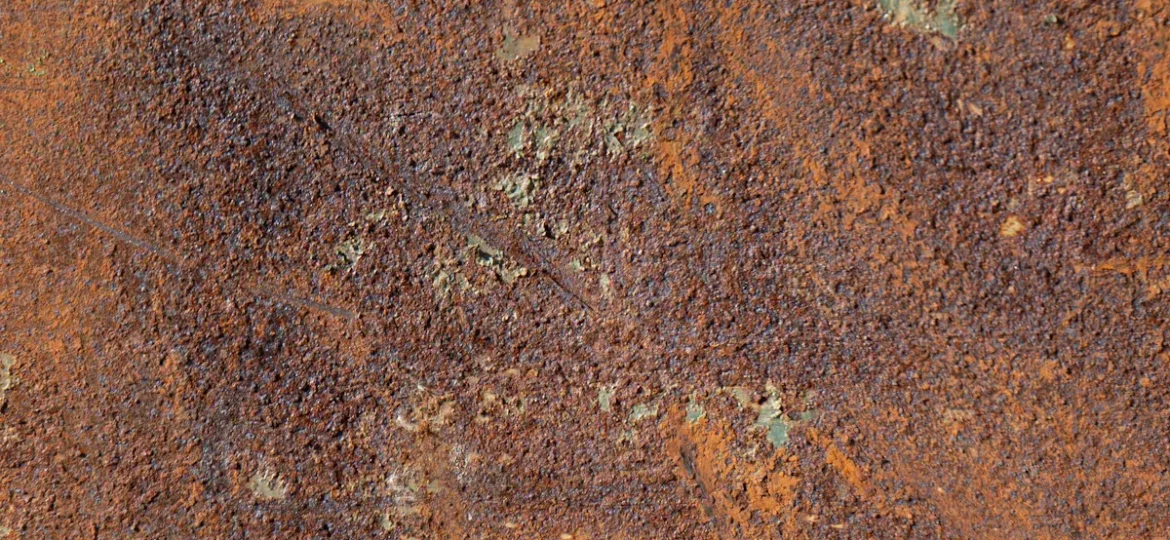
Rust causes a lot of damage. It costs a lot of money. This happens in many industries. Industrial zinc-rich paint is a great solution. It helps stop rust. It is a key part of modern plans. How do these paints improve rust control? They use zinc’s special powers. Zinc has electrical properties. These paints work very well. They protect in two ways. They use cathodic protection. They also use barrier protection. This also makes them stick well. It is important to know how they work. We need to know their types. We need to know where to use them. This is true for tough places.
Zinc-Rich Paint Protection Mechanisms
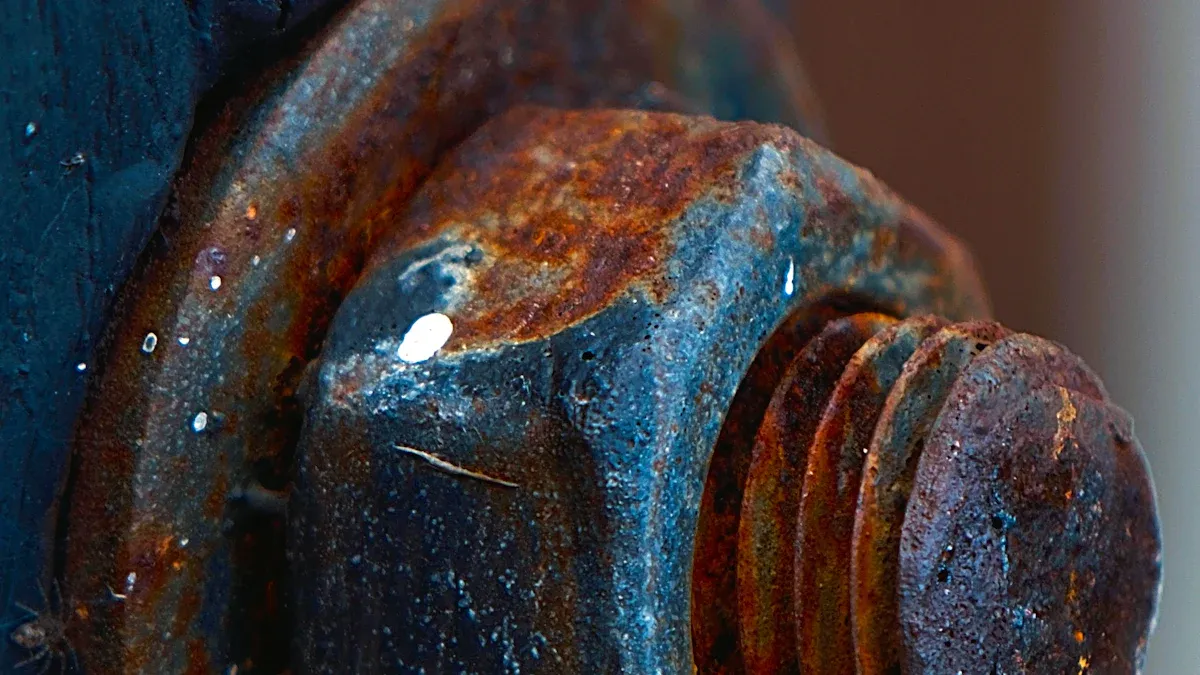
Cathodic Protection: The Sacrificial Shield
Industrial zinc-rich paint protects well. It uses cathodic protection. Zinc has special electrical traits. The dry paint has much zinc. This zinc lets electricity flow. Water or salt touches the steel. The zinc becomes an anode. It gives up electrons. This makes a battery. The steel is the cathode. Zinc rusts first. It protects the steel. Zinc rusts instead of steel. If the paint scratches, zinc still protects. It covers the damaged spot. This stops rust from spreading.
Barrier Protection: The Physical Defense
Zinc-rich paint also blocks things. It forms a thick layer. This layer covers the steel. It stops bad stuff from reaching the metal. This includes water and air. It also blocks chemicals. The paint acts like a shield. It stops contact with the environment. This barrier helps for a long time. The paint sticks well to steel. This strong bond keeps it safe. It does not peel off. Both ways of protection work well. They fight rust in many places.
Types of Industrial Zinc-Rich Paints
Industrial zinc-rich paints vary. Their binder system shows their type. Each type has good points. They fit different weather.
Inorganic Zinc-Rich Primers: Silicate Systems
Inorganic zinc-rich primers use silicate. These are often ethyl silicate. Some are water-based silicates. They make a very hard film. This film resists scrapes well. It also handles high heat. Inorganic zinc primers dry with air moisture. They form a strong bond. This bond is chemical. It sticks well to steel. Experts call them the “gold standard.” They protect from rust outside. They work long in tough places.
Organic Zinc-Rich Primers: Epoxy and Urethane Binders
Organic zinc-rich primers use organic binders. Epoxy is common. Polyurethane is another. Chlorinated rubber is also used. These binders bend more. They are less picky about the surface. Organic zinc primers are simple to put on. They work in many conditions. They block things well. They also protect electrically. These primers are often base coats. They work with many topcoats.
Key Differences and Application Considerations
Their binder systems are the main difference. Inorganic primers are harder. They resist heat better. They need careful surface cleaning. Organic primers are more flexible. They are easier to use. They handle less perfect conditions. Inorganic primers are best for bad weather. Organic primers fit many industries. They often start other coatings. Choosing the right paint matters. It depends on the project. It depends on the environment. It depends on how long it needs to last.
Performance and Standards Compliance
Testing Methodologies for Corrosion Resistance
Makers test zinc-rich paints. They test them very carefully. They use special ways. This checks how well they stop rust. The salt spray test is common. It uses salty mist. It sprays on painted metal. This shows how paint fights rust. Other tests are also key. They copy real weather. They go from wet to dry. They also go to humid. EIS measures paint strength. These tests show paint works well. They show how long paint protects.
ISO 12944 and Corrosivity Categories
Global rules guide rust safety. ISO 12944 is a main rule. It sorts places by rust risk. Categories go from C1 to C5. CX is for very bad places. Zinc paints help in tough places. They meet needs in hard spots. This rule helps pick paint. It keeps steel safe for years.
Meeting Industry-Specific Performance Benchmarks
Different jobs have special needs. Ships need salt water safety. Bridges need strong weather defense. Oil sites face harsh chemicals. Zinc paints always protect better. They meet these hard goals. Inorganic zinc paints are often best. They guard against air rust. They work well for a long time. They keep things safe and working.
How well it works in tough places
Zinc paints work differently. It depends on the environment. The chemicals around matter. Knowing this helps pick paint. It helps choose the right coating.
How it works in normal and basic places
Zinc paints work great. They work in normal places. They also work in basic places. Zinc rusts in these spots. It makes a strong layer. This layer is zinc hydroxide. It can also be zinc carbonate. This layer seals the paint. It slows down more rust. This layer fixes itself. It makes a better shield. It makes the protection last longer. Many places are like this. Marine air is one. Outside air is another. The paint keeps steel safe. It works well in these common places.
How it works in acidic places
Zinc paints have trouble. They have trouble in acidic places. Acids make zinc melt fast. This uses up the zinc. It makes the paint weaker. It cannot protect as well. The strong zinc layer breaks down. It washes away. This leaves the steel open. So, zinc paint alone is weak. It does not protect much. This is true in very acidic spots. Chemical plants are an example. Places with acid rain are another.
Ways to make it better against acid
You can make zinc paint better. You can make it better against acid. Put a topcoat on it. This is a good way. Epoxy or vinyl topcoats work. They make another shield. They stop acids from reaching the zinc. These topcoats must be strong. They must stick well to the zinc. Some companies change zinc paints. They add special things. These things help zinc in weak acids. But for very strong acids, use other ways. Use special linings. Use materials that are not metal.
Application and Topcoat Selection
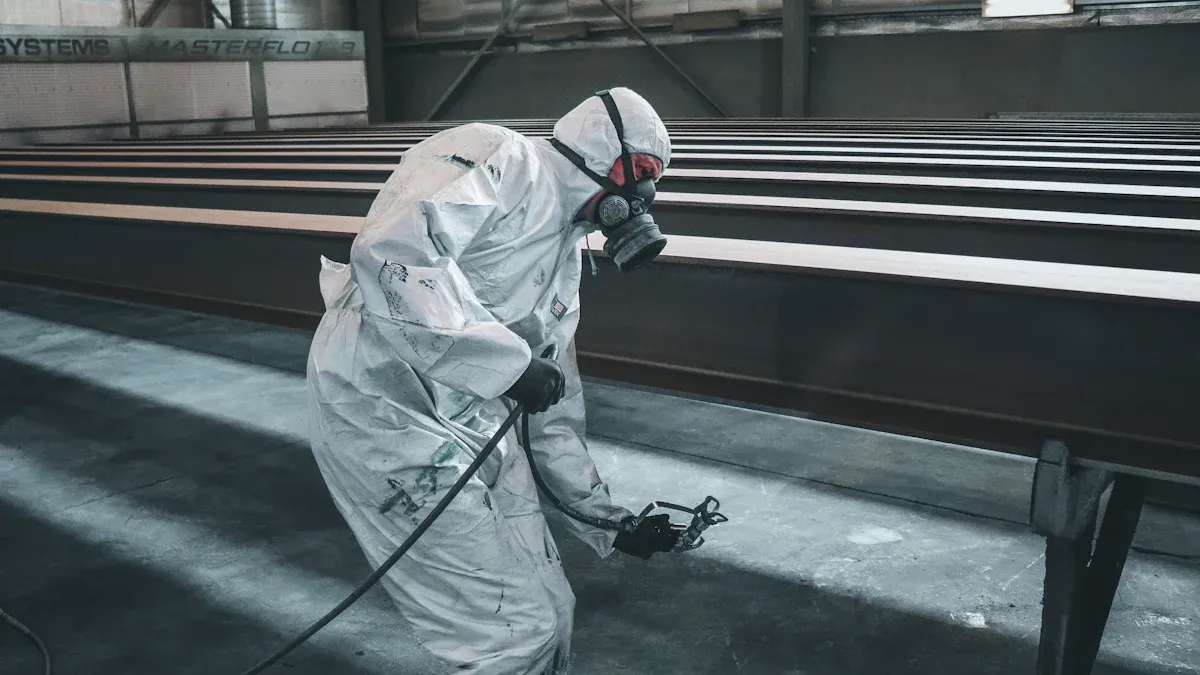
Zinc paints work best with proper use. This means good surface prep. It also means picking the right topcoat. These steps make rust protection strong.
Surface Preparation for Optimal Adhesion
Surface prep is key for zinc paints. The steel must be clean. It must also be rough. This helps the paint stick. Workers often blast it. This removes rust. It takes off old paint. It makes the steel rough. This roughness helps paint grip. A clean, rough surface sticks well. Zinc touches the steel better. Bad prep makes paint fail fast.
Topcoats for UV Exposure and Weathering
Zinc primers protect steel. But they often need a topcoat. Topcoats guard the primer. They stop damage from outside. They block UV light. UV light can harm some zinc primers. Topcoats also add a barrier. They protect from weather. Polyurethane and acrylic topcoats are common. They keep color well. They stay shiny. These topcoats make the system last. They keep things looking good.
Topcoat Selection for Chemical and Acidic Environments
Harsh places need special topcoats. This is true for chemicals or acids. Zinc primers alone are weak in strong acids. A strong topcoat blocks chemicals. Epoxy topcoats resist chemicals well. They fight acids, bases, and solvents. Novolac epoxies are even stronger. They work in very bad places. These special topcoats stop bad stuff. They keep it from the zinc primer. This keeps the system safe. It protects the steel well.
Industrial Zinc-Rich Paint is very important. It protects steel. It works well in tough places. These paints protect in two ways. They use cathodic protection. They also use barrier protection. Both types protect very well. They stick strongly. They work as promised. They meet global rules. They are used in many industries. They do not work well in acidic places. Choose them wisely. Put them on correctly. This paint is key. It keeps things safe.
