Cold-Applied Zinc Paint for Rapid Industrial Steel Repair
Quick answer: Rapid repair does not mean coating over damage without preparation. A defensible repair requires damage assessment, agreed repair boundaries, removal of contamination and corrosion, correct mixing, controlled film build and documented inspection. Zinc-rich paint is one recognised repair category under ASTM A780/A780M for damaged hot-dip galvanized coatings.
Maintenance teams, fabricators and site supervisors can use this sequence to plan and document local steel repairs.
Emergency containment and permanent repair are different. A short-term protective action should be labelled as temporary when the full preparation or cure cannot be achieved.
1. Assess the Damage
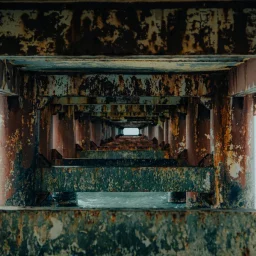
Identify whether the defect is transport damage, weld burn, cut edge, drilling, impact, red rust, white zinc corrosion, coating delamination or complete loss of galvanizing.
Measure or mark the damaged area. Confirm whether the governing specification limits the repair area or requires approval of the method.
2. Select the Repair Method
ASTM A780/A780M recognises zinc-based solder, paints containing zinc dust and sprayed zinc. Select according to project requirements, area, access, appearance, available equipment and required thickness.
Do not automatically select paint when metallizing or another method is specified.
3. Establish Safe Boundaries
Remove nearby ignition sources and review the coating SDS. Isolate the work area, protect adjacent equipment and prevent dust or overspray contamination.
For weld repair, allow the metal to cool. Remove slag, spatter and sharp projections.
4. Clean Contamination
Remove salts, oil, grease, dirt and moisture before mechanical preparation. Solvent wiping alone is not an adequate method for soluble salts.
Use clean tools and cloths so contamination is not transferred back to the repair.
5. Mechanically Prepare the Area
Remove rust, failed coating and unsound galvanizing to the specified standard. Feather the boundary onto sound surrounding coating where appropriate.
Create a surface that supports adhesion. Clean edges, corners, weld toes, pits and bolt heads.
6. Mix and Apply
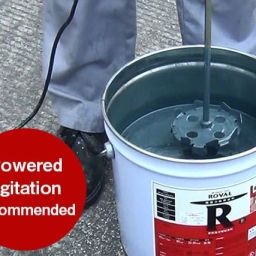
Power-mix bulk zinc-rich compound until settled zinc is fully reincorporated. Apply the approved coat sequence and maintain agitation.
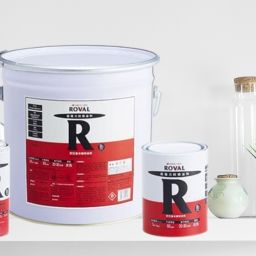
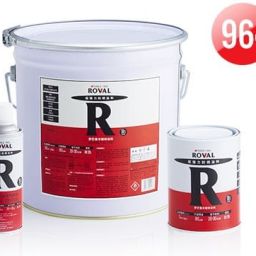
Stripe coat difficult edges where required. Avoid one excessively heavy coat. For a ROVAL R repair, confirm the required film build against both the current manufacturer TDS and the governing repair specification before work starts. Obtain written confirmation where the specified repair build differs from the manufacturer’s published system.
7. Cure and Protect
Observe the manufacturer recoat and cure conditions. Protect the repair from rain, condensation, dust, handling and premature service.
Low temperature, high humidity, thick film and poor air movement can slow cure.
8. Inspect
Measure DFT, inspect continuity and check adhesion where required. Confirm that the repair overlaps sound coating and that edges are sealed.
Document product, batch, preparation, conditions, coat times, DFT and final acceptance.
Emergency Temporary Repair
Where full preparation is impossible, clearly record the action as temporary. Remove loose contamination, dry the area, apply only if safe and schedule a permanent repair.
Do not present temporary patching as compliance with a full repair specification.
Frequent Mistakes
- Painting over rust or salt.
- Ignoring weld spatter and sharp edges.
- Incomplete zinc mixing.
- Applying an appearance-grade silver spray instead of a zinc-rich repair material.
- Failing to measure DFT.
- Topcoating before cure or without compatibility approval.
Selecting Galvanizing Repair Paint for Local Damage
Galvanizing repair paint is selected for the damage and the governing repair specification. A cold galvanizing coating may be practical for local bare-steel areas, transport damage and prepared repair boundaries, but zinc coating paint cannot compensate for contamination or an unapproved repair extent. Document the defect before deciding whether a paint repair is acceptable.
Where a ZRC galvanizing compound is proposed, identify the actual manufacturer and product rather than relying on the abbreviation alone. Review zinc content, film thickness, cure, exposure and inspection with the project team. For an appearance-sensitive repair, compare the separate ROVAL RS bright silver zinc-rich compound data rather than assuming its colour means it has the same specification as ROVAL R.
Frequently Asked Questions
How quickly can a repair return to service?
Use the product cure data and actual site conditions. Touch dry is not the same as full cure or mechanical service readiness.
How far should the repair overlap sound galvanizing?
Follow the project or manufacturer procedure. The boundary must be prepared so the repair bonds to sound material.
Can welds be coated while hot?
No. The metal must be within the product temperature limit and free from condensation and contamination.
Is one thick coat acceptable?
Usually not. Excessive zinc-rich film can crack or mud-crack. Follow the specified coat sequence.
Should the repair match the surrounding colour?
Appearance may be specified, but corrosion performance and DFT remain the primary technical requirements.
Product and Technical Support in Pakistan
For current product information, visit the ROVAL ZRC product page. For project coordination, contact Marjan Polymer Industries.
Technical References
Technical notice: This guide does not replace the current manufacturer TDS, SDS, contractual coating specification or site-specific engineering assessment. Confirm the latest documentation before use.