
Polyether Ether Ketone (PEEK) is a semi-crystalline, high-performance thermoplastic for components that must retain mechanical, chemical and electrical performance at elevated temperature. Marjan Polymer Industries supplies application-matched PEEK resin and semi-finished material in Pakistan for industrial processing, precision machining and qualified engineering programmes.
Material Forms
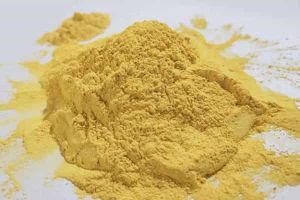
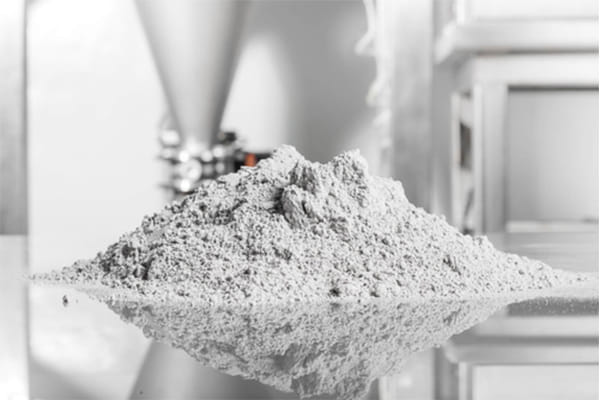
Resin & Powder
Unfilled or modified pellets and powders for injection moulding, extrusion, compounding, coating or research trials.
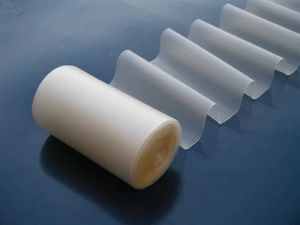
Stock Shapes
Rod, sheet, plate and tube for CNC machining of low-volume, prototype or replacement components.
Reinforced Grades
Glass-fibre, carbon-fibre and tribological formulations where stiffness, dimensional control or wear behaviour must be adjusted.
Representative Unfilled PEEK Properties
These are orientation values for a typical unfilled PEEK grade, not a universal sales specification. Final design values must come from the approved grade data sheet and relevant test method.
| Property | Representative value | Qualification |
|---|---|---|
| Density | About 1.30 g/cm³ | Grade and crystallinity dependent |
| Glass-transition temperature | About 143°C onset | ISO 11357 orientation |
| Melting temperature | About 343°C | ISO 11357 orientation |
| Tensile strength | Typically around 90–116 MPa | Unfilled grade, moulding and test dependent |
| Volume resistivity | Up to approximately 10¹⁶ Ω·cm at 23°C | Unfilled insulating grade; decreases with temperature |
| Continuous-temperature capability | Grade and approval dependent | Use RTI or application-specific design data, not melting point |
Grade Selection
- Unfilled natural or coloured PEEK
- Glass-fibre reinforced grades
- Carbon-fibre reinforced grades
- Bearing and wear formulations with solid lubricants
- High-flow or standard-flow moulding grades
- Extrusion and stock-shape grades
- Powder grades for coating or compounding
- Special compliance-controlled grades on request
Fibre reinforcement raises stiffness but changes anisotropy, surface finish, shrinkage and machinability. Bearing grades can reduce friction but may not meet the purity, electrical or regulatory needs of another application.
Performance Advantages
High-Temperature Strength
Retains useful stiffness and strength above the service range of many conventional engineering plastics when the correct grade and design limits are used.
Chemical Resistance
Resists many fuels, oils, hydrocarbons and process chemicals; compatibility must still be checked for concentration, temperature, stress and exposure time.
Wear & Fatigue
Suitable formulations support bearings, seals, guides and repeated-load components after tribological and fatigue validation.
Hydrolysis Resistance
Can perform in hot water and steam service where many polymers lose properties, subject to grade and cycle verification.
Electrical Insulation
Unfilled grades provide high dielectric resistance across a broad temperature range; conductive compounds are separately available.
Low Flame & Smoke Potential
Selected grades can meet defined flammability requirements; the exact thickness, colour and certification must be confirmed.
Processing Guidance
PEEK requires high-temperature processing equipment, controlled material drying and an adequately heated mould or die. A typical unfilled injection-moulding starting window may use drying at 120–150°C for 3–5 hours, melt zones around 350–400°C and mould temperatures around 160–200°C. The approved supplier data sheet and machine limits take precedence.
- Prevent contamination with lower-temperature polymers.
- Use suitable high-temperature screws, barrels, heaters and tooling.
- Control moisture, residence time and melt temperature to limit degradation.
- Manage crystallinity through tool temperature and cooling conditions.
- Validate shrinkage, weld lines and fibre orientation on the actual component.
Machining and Fabrication
PEEK stock shapes can be turned, milled, drilled and finished using rigid workholding and controlled heat generation. Annealing history, internal stress, wall thickness and material removal sequence affect dimensional stability. Critical parts should be machined from a traceable grade with an agreed inspection plan.
Industrial Applications
Oil, Gas & Process
Valve seats, seals, compressor components, wear rings and electrical isolation parts.
Electrical & Semiconductor
Connectors, bobbins, test fixtures, wafer-handling parts and high-temperature insulators.
Automotive & Mobility
Transmission, pump, sensor and e-mobility components designed for demanding thermal and chemical exposure.
Aerospace
Lightweight brackets, clips, bushings and electrical components where the specified grade meets programme requirements.
Food & Pharmaceutical Equipment
Wear and handling components only from suitable, documented compliance grades.
Medical Engineering
Instrument or implant programmes require dedicated medical grades, full traceability and device-specific regulatory validation.
Quality and Documentation
- Manufacturer, commercial grade and batch traceability
- Material data sheet and certificate of analysis where available
- Form, dimensions, tolerance and colour confirmation
- Filler type and nominal reinforcement level
- Required regulatory or flammability declaration
- Incoming verification and retained sample for critical programmes
PEEK Supply in Pakistan
MPI supports processors, machine shops, engineering companies, universities and industrial maintenance teams in Karachi, Lahore, Faisalabad, Islamabad and across Pakistan. Supply can be arranged for evaluation quantities, development batches or project-based requirements subject to grade, form, dimension and availability.
Information Required for a Quotation
- Application and maximum continuous/peak temperature
- Chemicals, steam, pressure and mechanical loading
- Required form: pellets, powder, rod, sheet, tube or part
- Unfilled, reinforced or bearing grade
- Dimensions, tolerance, colour and quantity
- Processing method or machining requirement
- Compliance, traceability and certificate needs
- Delivery location and schedule in Pakistan
Frequently Asked Questions
What is PEEK?
PEEK is polyether ether ketone, a semi-crystalline high-performance thermoplastic used where elevated temperature, chemical resistance and mechanical performance are required.
What forms of PEEK can MPI supply?
Subject to availability, MPI can source resin pellets, powder, rod, sheet, plate, tube and application-specific compounds or machined-part material.
What is the melting temperature of PEEK?
A typical unfilled PEEK grade melts at about 343°C. This is not its continuous service temperature; the design limit must come from grade-specific mechanical, thermal and approval data.
Is PEEK chemically resistant?
PEEK resists many industrial chemicals, fuels and oils, but compatibility depends on the exact chemical, concentration, temperature, stress and exposure time. Application testing is recommended.
What is the difference between unfilled and reinforced PEEK?
Unfilled PEEK offers balanced toughness and purity. Glass or carbon reinforcement increases stiffness and dimensional control but changes anisotropy, surface finish, shrinkage and machining behaviour.
Can PEEK be injection moulded?
Yes, using high-temperature-capable equipment, correct drying, controlled melt residence and adequately heated moulds. The selected resin producer’s processing guide should be followed.
Can PEEK be machined?
Yes. Rod, sheet and tube can be CNC machined, but workholding, heat, annealing history and material-removal sequence should be controlled for close tolerances.
Is all PEEK suitable for food or medical use?
No. Food-contact, pharmaceutical, skin-contact or implant applications require the exact documented compliance grade and product-specific regulatory assessment.
Can MPI provide PEEK samples in Pakistan?
Evaluation quantities may be arranged subject to the required grade and form. Send the application, dimensions or processing method and performance requirements.
What information is needed for a PEEK quotation?
Provide the application, temperature and chemical exposure, form, grade or filler, dimensions, quantity, compliance requirements, delivery city and required schedule.
Specify PEEK for Your Application
Share the operating environment, processing route and required material form. MPI will help identify a technically defensible PEEK grade and supply route for Pakistan.