

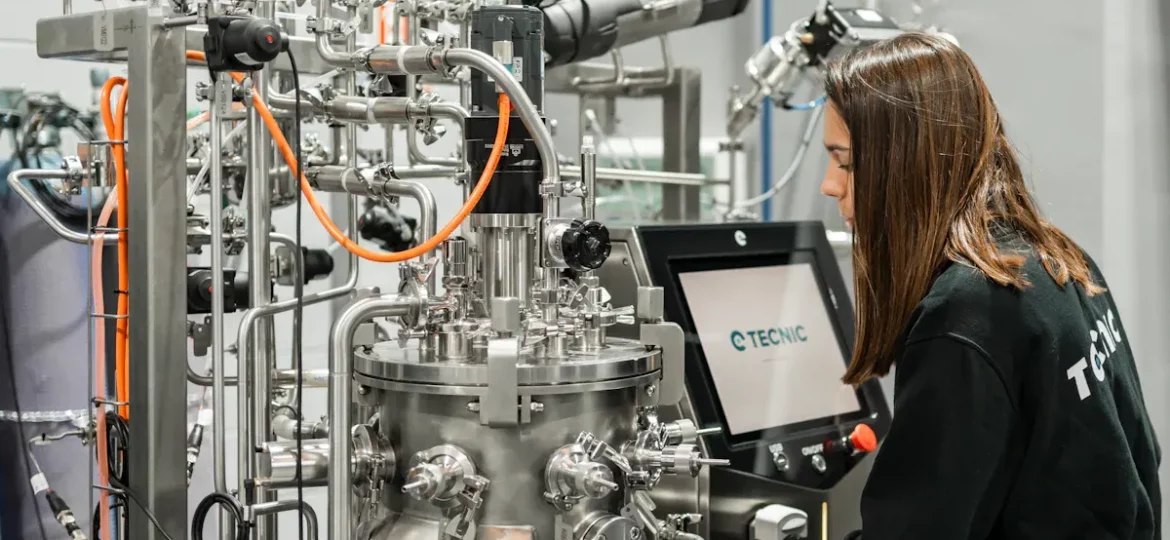
Industrial bioprocess reactors are very important for changing how drugs are made. These systems help you make medicines faster and in a better way. By improving how things are made, you can cut down on waste and use less energy. This new method helps your profits and is good for the environment. As you look into these reactors, you will notice how they help make drug development better and more responsible.
Optimizing Bioprocesses
Key Factors in Optimization
To make bioprocesses better, you need to think about some key factors. These factors can really improve how industrial bioprocess reactors work. Here are some important things to pay attention to:
- Temperature Control: Keeping the right temperature is very important. It affects how fast microorganisms grow and how reactions happen.
- pH Levels: The pH level affects how enzymes work and how microbes grow. Checking it often helps keep the best conditions.
- Nutrient Supply: Giving the right nutrients in the right amounts helps cells grow and makes products.
- Oxygen Transfer: For processes that need oxygen, making sure there is enough oxygen is crucial. This can help increase yield and productivity.
- Scale-Up Techniques: Moving from lab-size to industrial-size needs careful planning. You must change processes to keep them efficient and high-quality.
By focusing on these factors, you can make your bioprocesses work better and get good results.
Successful Case Studies
Many companies have done well by using optimization strategies in their bioprocesses. Here are two examples:
- Marjan Polymer Pakistan: This company made its biopharmaceuticals better by improving its fermentation process. By changing temperature and nutrient supply, they raised their yield by 30%. This not only helped production but also cut costs.
- Biogen: This big biotechnology company improved its industrial bioprocess reactors for making monoclonal antibodies. They used advanced control systems to monitor important factors in real-time. Because of this, they got a 25% boost in productivity while keeping high product quality.
These case studies show how powerful optimizing bioprocesses can be. By focusing on key factors and learning from successful examples, you can improve your own pharmaceutical manufacturing processes.
Industrial Bioprocess Reactors and High Pressure
Advantages of High Pressure
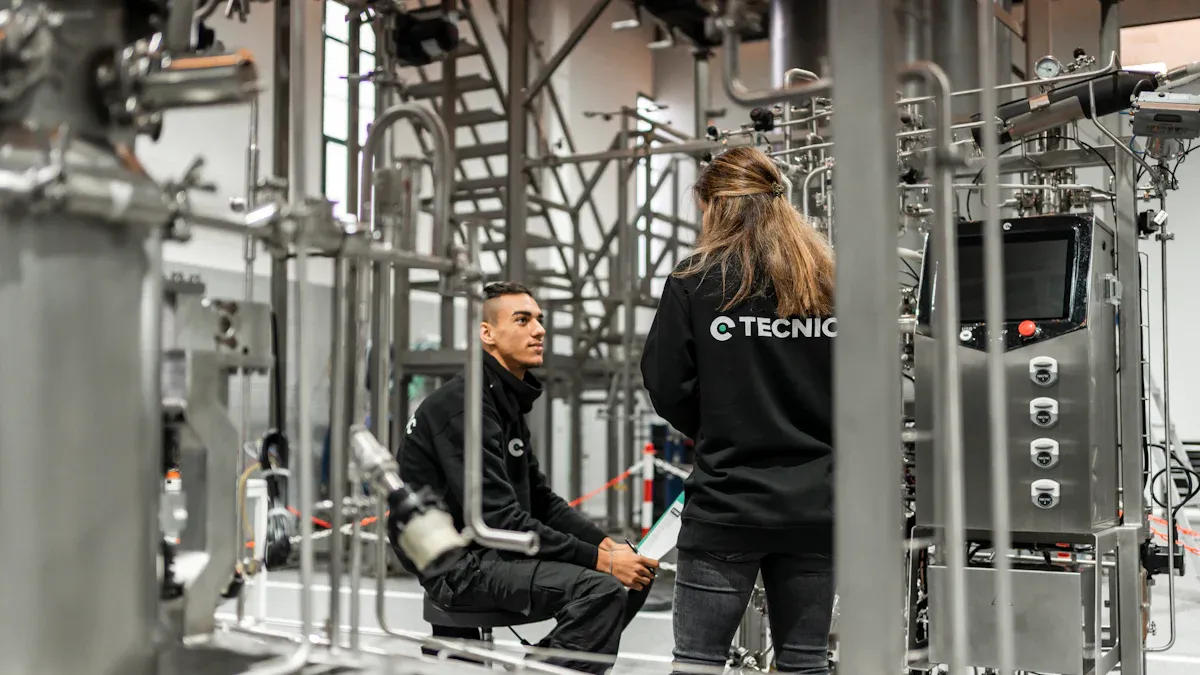
High-pressure systems in industrial bioprocess reactors have many benefits. These benefits can greatly improve how drugs are made. Here are some important advantages:
- Increased Reaction Rates: High pressure makes chemical reactions happen faster. This helps you make drugs quickly, which is important for meeting market needs.
- Improved Solubility: Many compounds dissolve better when under high pressure. This results in higher amounts of active ingredients, making the process more efficient.
- Enhanced Yield: Using high pressure often leads to more of the desired products. This is very important in biopharmaceuticals because more output can save money.
- Reduced Reaction Time: High-pressure conditions can make reactions happen in less time. This efficiency can lead to faster production cycles and quicker release of new drugs.
These advantages show that high-pressure systems are useful tools in modern pharmaceutical manufacturing.
Applications in Drug Development
High-pressure systems are used in many ways in drug development. They show their flexibility and effectiveness. Here are some key examples:
- Synthesis of Active Pharmaceutical Ingredients (APIs): High-pressure reactors help create complex APIs. For example, Marjan Polymer Pakistan has used high-pressure methods to improve the production of certain biopharmaceuticals, leading to better quality and yield.
- Formulation Development: High pressure helps in making drugs by improving how well poorly soluble compounds dissolve. This is especially helpful for creating new formulations that need better bioavailability.
- Extraction Processes: High-pressure extraction techniques help get valuable compounds from natural sources. This method can produce higher amounts of active ingredients, which is important for making effective medicines.
- Stability Studies: Researchers use high pressure to study how stable drug formulations are. Knowing how drugs act under pressure helps in making stronger products that stay effective over time.
By using high-pressure systems in these ways, you can improve the efficiency and effectiveness of drug development processes. This leads to better healthcare solutions.
Current Trends in Bioprocessing
Automation and Control
Automation is very important in today’s bioprocessing. It helps make things work better and more consistently. Automated systems check important factors like temperature, pH, and nutrient levels all the time. This lets you make quick changes to keep the best conditions for growing microbes and making products.
- Benefits of Automation:
- Increased Precision: Automated systems lower human mistakes, giving more reliable results.
- Time Savings: You can make processes faster, leading to quicker production cycles.
- Data Collection: Automation creates useful data that helps you study and improve processes over time.
Many companies, like Marjan Polymer Pakistan, use automation to improve their production. By adding these systems, they have seen big gains in both yield and quality.
AI Integration
Artificial intelligence (AI) is changing bioprocessing with smart tools. You can use AI to guess outcomes and make processes better. Machine learning looks at lots of data, finding patterns that people might not see. This helps you make smart choices quickly.
- Applications of AI in Bioprocessing:
- Predictive Maintenance: AI can predict when machines might fail, cutting downtime and repair costs.
- Process Optimization: AI can suggest changes to boost yield and efficiency.
- Quality Control: AI systems can check product quality in real-time, making sure they meet rules.
Using AI with industrial bioprocess reactors improves your ability to create new ideas and meet market needs. By using these technologies, you prepare your pharmaceutical manufacturing for future success.
Sustainability and Efficiency

Reducing Waste
You can cut down on waste in making medicines by using industrial bioprocess reactors. These reactors help use resources better and create fewer byproducts. Here are some ideas to think about:
- Efficient Resource Management: By managing raw materials carefully, you can lower waste. This means using exact measurements and watching inputs closely.
- Recycling and Reusing: Starting recycling programs for solvents and other materials can reduce waste. This saves money and helps the environment.
- Energy Efficiency: Upgrading to energy-saving systems lowers energy use. This leads to lower costs and a smaller carbon footprint.
By focusing on these areas, you can make a more sustainable manufacturing process.
Enhancing Quality
Improving product quality is very important in making medicines. You can do this in several ways:
- Process Control: Using advanced monitoring systems helps you keep the best conditions. This ensures steady product quality and less variation.
- Quality by Design (QbD): Using QbD principles helps you create processes that always make high-quality products. This method focuses on understanding the process and how it affects product quality.
- Continuous Improvement: Regularly checking and improving your processes leads to better results. Companies like Marjan Polymer Pakistan have used continuous improvement practices, leading to higher yields and better product quality.
By focusing on quality, you not only meet rules but also make customers happier.
In conclusion, industrial bioprocess reactors are very important for changing how drugs are made. You can make things work better by improving processes and cutting down on waste. These reactors also help the environment by using resources wisely. They also encourage new ideas by allowing different ways to create drugs. As you learn about these changes, you will notice how they help make the pharmaceutical industry better and more responsible.
