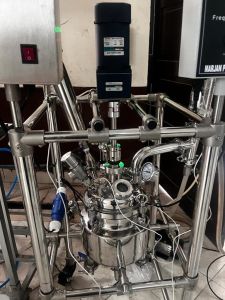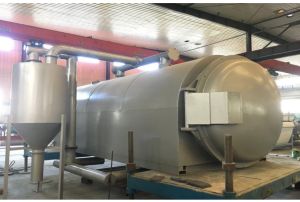
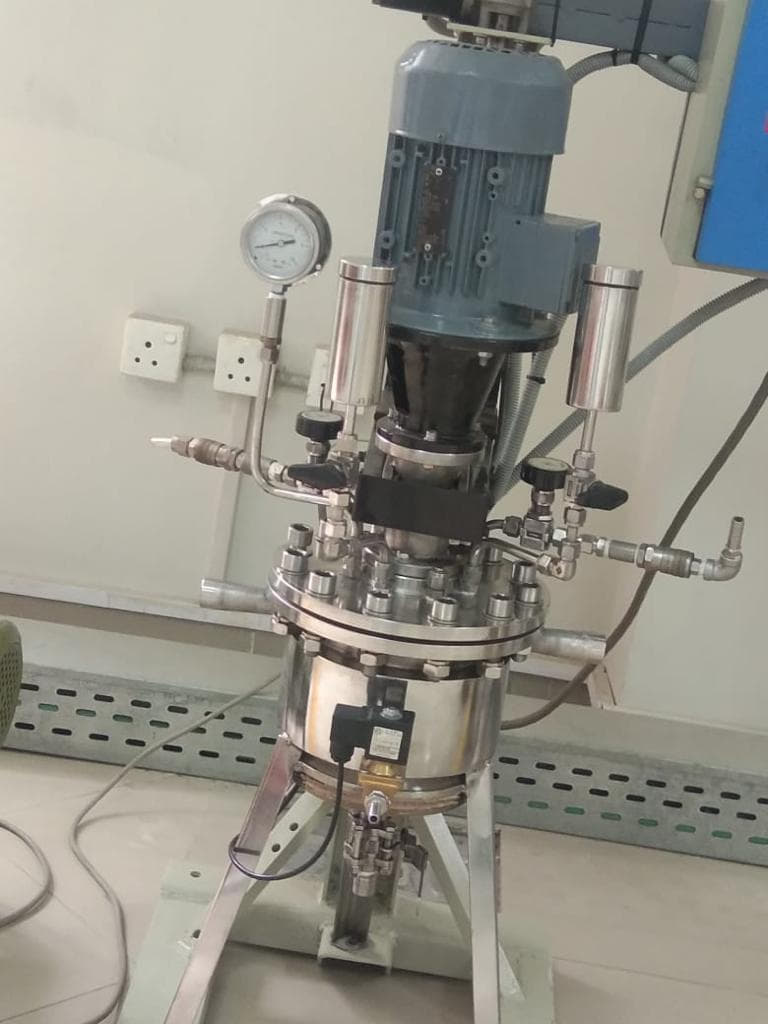
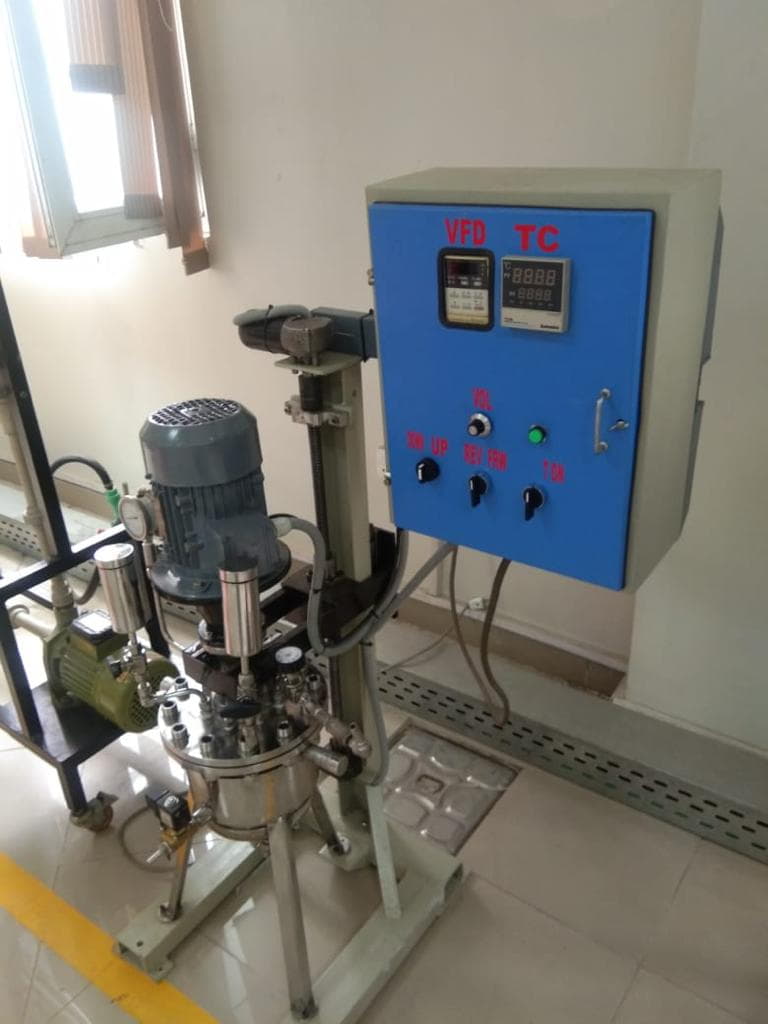
Polymer Reactor is MPI’s configurable stirred-vessel platform for polymer synthesis, resin formulation, coatings, adhesives, composite matrices and chemical process development. Laboratory and pilot systems are engineered from the process chemistry, viscosity profile, heat duty, pressure/vacuum conditions, dosing sequence and required analytical access.
This is a broad reactor platform rather than a single fixed model. The final vessel, agitator, seal, jacket, condenser, feed system, instruments and controls are defined in an approved project data sheet. For a machine focused specifically on polymerization reaction routes, see MPI’s separate Polymerization Reactor.
Reactor Purpose
The system provides a controlled environment for mixing, heating, cooling, dosing, gas blanketing, vacuum operation, sampling and discharge. It supports reproducible laboratory work and pilot-scale process development while creating a documented basis for scale-up.
Typical Process Applications
- Polymer and resin synthesis or modification
- Adhesive, sealant and coating formulation
- Composite-matrix and specialty chemical development
- Solution, melt or slurry processing after engineering review
- Vacuum devolatilization and solvent removal
- Reaction calorimetry support, catalyst screening and process optimisation
- Academic, institutional and industrial R&D in Pakistan
Configurable Reactor Architecture
| System element | Function | Selection basis |
|---|---|---|
| Reactor vessel | Contains the process at defined temperature and pressure | Chemistry, volume, rating, corrosion and cleanability |
| Jacket or thermal system | Supplies and removes process heat | Heat duty, ramp rate, utility and temperature range |
| Agitator | Controls blending, suspension, heat transfer and mass transfer | Viscosity profile, phase behaviour and shear sensitivity |
| Shaft seal or magnetic drive | Maintains containment around the rotating shaft | Pressure, vacuum, solvent, leakage and maintenance requirements |
| Condenser/receiver | Supports reflux, recovery or devolatilization | Vapour load, solvent properties and vacuum duty |
| Dosing system | Adds monomer, catalyst, solvent or additives | Rate profile, accuracy, containment and hazard review |
| Instrumentation | Measures and protects the process | Control philosophy, data quality and safety functions |
Engineering Configuration Range
All ratings and capacities are confirmed only in the approved MPI quotation, data sheet and vessel nameplate.
| Parameter | Available project direction |
|---|---|
| Scale | Laboratory and pilot configurations; production concepts by project review |
| Operation | Atmospheric, vacuum or rated pressure service |
| Vessel material | Compatible stainless steel, borosilicate glass or specified corrosion-resistant material |
| Thermal arrangement | Jacket, coil, electrical heating or integrated temperature-control unit as applicable |
| Agitator | Anchor, helical, pitched-blade, turbine, propeller or application-specific system |
| Drive | Variable-speed geared drive or magnetic coupling where required |
| Process connections | Feed, gas, vacuum, vent, reflux, sample, sensor and bottom discharge connections |
| Control level | Manual, PID or PLC/HMI with recipe and data-logging functions |
Volume and Scale Selection
Working volume is not equal to gross vessel volume. MPI reviews batch mass, density, foaming, gas headspace, reflux, viscosity rise, solids suspension and sampling. This defines the vessel geometry, allowable fill level, nozzle positions and agitation requirement.
Agitation for Changing Viscosity
Many polymer processes become harder to mix as molecular weight or solids increases. Drive power, output torque, shaft diameter, seal, baffles and impeller are selected from the expected viscosity curve and process stage. Optional torque or motor-load trending can help the operator identify endpoint behaviour.
Heat-Transfer Design
Reactor thermal performance depends on heat-transfer area, utility temperature, circulation rate, film coefficients, viscosity and reaction duty. The project heat balance defines the jacket or coil arrangement and the temperature-control unit interface. For exothermic work, feed rate and emergency cooling philosophy are agreed before manufacture.
Pressure, Vacuum and Inert-Gas Control
Each pressure-bearing configuration requires a stated design pressure, design temperature, material specification and applicable fabrication basis. Vacuum protection, pressure relief, vent routing, nitrogen blanketing and oxygen exclusion are selected through the process hazard review. Operators must never exceed the approved limits.
Dosing and Feed Strategy
| Feed mode | Typical use | Available controls |
|---|---|---|
| Manual charge | Simple laboratory batches | Charge checklist and permissive sequence |
| Metering pump | Monomer, initiator, catalyst or additive addition | Fixed, ramped or recipe-based flow |
| Feed vessel | Contained liquid preparation and addition | Weight, level, pressure or pump control |
| Gas feed | Inerting, reaction gas or sparging | Regulator, rotameter or mass-flow control |
| Solids charge | Powder, filler or catalyst | Hopper, glovebag, sealed port or engineered feeder |
Condenser, Reflux and Vacuum Options
Where the process generates vapour, the package can include a condenser, reflux divider, receiver, cold trap, protected vacuum interface and vent connection. Equipment is sized from vapour load and solvent data; it is not selected by reactor volume alone.
Instrumentation and Automation
- Product and jacket temperature measurement
- Pressure and vacuum indication with alarm limits
- Agitator speed and motor-load monitoring
- Feed-rate, weight, pH, conductivity or other project instruments
- PID loops, permissives, trips and emergency logic
- Optional recipe execution, trend display, alarms and batch records
Sampling and Analytical Integration
Options may include dip-tube sampling, bottom sampling, sight glass, load cells, pH/ORP, conductivity, torque, inline spectroscopy or customer-specified process analytical technology. Instrument wetted materials, temperature and pressure ratings must match the process.
Safety and Compliance Basis
MPI develops the hardware and control safeguards from the approved hazard information. Typical measures include guards, emergency stop, independent limits, pressure relief, inerting provisions, interlocked heating/agitation, safe vent routing and electrical protection. Hazardous-area or special code requirements must be declared before design freeze.
Cleaning, Drainability and Changeover
Vessel finish, bottom geometry, valve type, nozzle arrangement and agitator access can be selected for the required cleaning method. Product-contact finish, clean-in-place features, solvent flush, contamination limits and dismantling frequency are documented in the URS.
Project Documentation and Acceptance
| Project stage | Typical deliverables |
|---|---|
| Design input | URS review, process basis, material compatibility and utility schedule |
| Engineering | Data sheet, general arrangement, P&ID, control philosophy and instrument list |
| Manufacture | Inspection plan, material records and fabrication/assembly checks as contracted |
| Factory acceptance | Agitator run, leak or pressure test as applicable, instrument and interlock checks |
| Handover | Manuals, drawings, certificates, spares list and training records in agreed scope |
Information Required for a Proposal
- Chemistry, solvents, solids and corrosion information
- Gross and required working volume
- Operating/design temperature and pressure or vacuum
- Viscosity profile, density, gas/liquid/solid phases and shear sensitivity
- Heat-release or heating/cooling duty and batch-time target
- Dosing sequence, condenser duty and vent treatment
- Available utilities and site electrical supply
- Automation, documentation, code and hazardous-area requirements
Installation and Support in Pakistan
MPI can coordinate site utilities, foundation and access review, installation supervision, commissioning, operator training and lifecycle support across Pakistan. A responsibilities matrix identifies what is supplied by MPI and what remains with the customer.
Frequently Asked Questions
What is a polymer reactor?
A polymer reactor is an engineered stirred vessel system used to develop, synthesize, formulate or process polymer and resin systems under controlled temperature, agitation, pressure, vacuum, gas and dosing conditions.
How is this page different from MPI’s Polymerization Reactor?
This Polymer Reactor page covers the broader configurable laboratory and pilot reactor platform for polymer, resin, coating, adhesive and composite-matrix process development. The separate Polymerization Reactor page is focused specifically on controlled polymerization routes and reaction engineering.
Which reactor volume is available?
Laboratory and pilot volumes can be engineered. The correct gross and working volume are selected from batch size, foaming, gas space, viscosity rise, heat release, agitation and sampling requirements.
Can the reactor operate under pressure or vacuum?
Pressure, full-vacuum or atmospheric configurations may be engineered, but only the pressure/temperature rating stated on the approved data sheet and nameplate is permissible.
Which materials of construction are offered?
Options can include suitable stainless-steel grades, borosilicate glass for compatible services, glass-lined or corrosion-resistant alloys where justified by chemistry and design conditions.
Can high-viscosity polymers be mixed?
Yes, when the drive, seal, shaft and impeller are sized for the expected viscosity curve and torque. Anchor, helical, pitched-blade, turbine and other agitator concepts are selected by process review.
Is condenser and vacuum equipment available?
A condenser, receiver, vacuum pump interface, reflux/divert arrangement and protected vacuum control can be included where solvent recovery, devolatilization or pressure reduction is required.
Can monomers or additives be dosed automatically?
Yes. Metering pumps, feed vessels, weighing, flow measurement and PLC-controlled addition profiles can be integrated according to the approved process and hazard review.
What documents are supplied?
The agreed package may include data sheet, general arrangement, utility list, P&ID, electrical drawings, instrument list, manuals, material documents, inspection records and factory-acceptance documentation.
Does MPI install Polymer Reactors in Pakistan?
MPI can provide site coordination, installation supervision, commissioning, operator training and after-sales support across Pakistan, subject to the contracted scope.
Request a Polymer Reactor Proposal
Share your process, batch volume, chemistry, viscosity, temperature, pressure/vacuum, agitation and control requirements. MPI will prepare a project-specific Polymer Reactor configuration for laboratory or pilot use in Pakistan.