


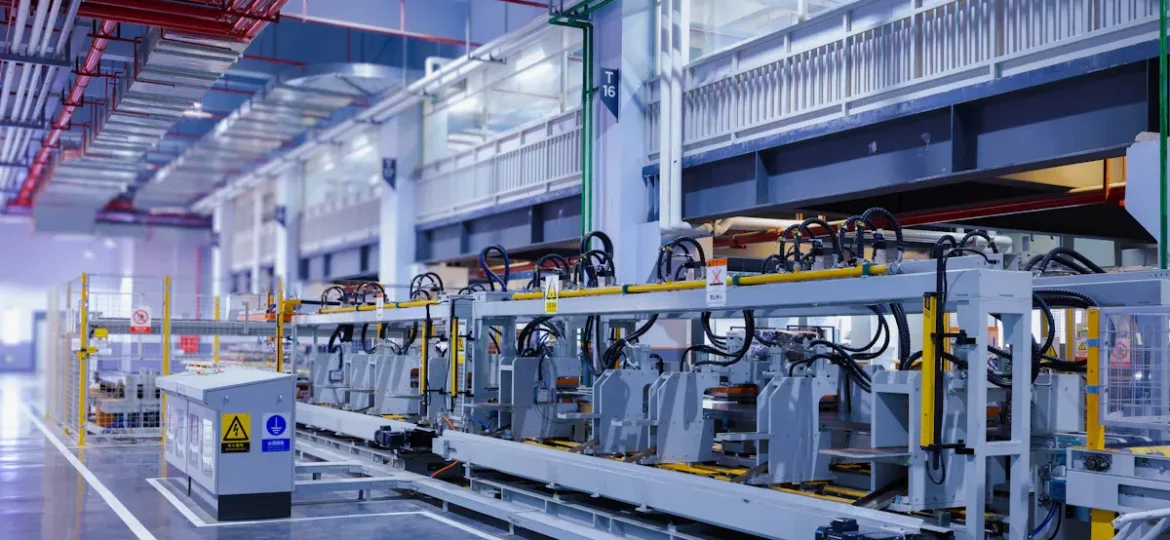
Advanced resin infusion technology is very important. It helps make industrial composites that are stronger and lighter. Many fields use these materials. Some examples are aerospace, automotive, and renewable energy. Industries want to be more efficient. So, they need composites that are strong but also light. This technology helps manufacturers create high-performance materials. These materials improve product strength and reduce weight.
Resin Infusion Overview
Infusion Process
The resin infusion process uses a closed-mould method. You begin with dry materials like fiberglass or carbon fiber. These materials go into a tightly sealed mould. Then, you apply a vacuum to take out air from the mould. This step is very important. It helps the resin flow easily into the dry materials. After the vacuum is set, you add the resin. The vacuum pulls the resin through the reinforcement. This ensures it spreads evenly. This method makes strong and light composites.
Using vacuum infusion has many benefits. First, it cuts down on resin waste. You only use the resin needed for the part. This saves money and resources. Second, the process gives better control over the resin flow. This control means fewer mistakes in the final product. Overall, the infusion process improves the quality of the composite materials.
Materials Used
In resin infusion technology, you can use different materials. The most common ones are fiberglass and carbon fiber. Fiberglass is strong and affordable, making it popular for many uses. Carbon fiber is lighter and stronger. It is often used in high-performance fields like aerospace and automotive.
You can also choose different types of resins. Epoxy resins are popular because they bond well and resist environmental factors. Polyester resins are another choice. They are known for being cheap and easy to use. Picking the right materials is important for getting the strength and weight you want in your composites.
By learning about the infusion process and the materials used, you can see how resin infusion technology is key in making advanced industrial composites.
Benefits of Resin Infusion Technology
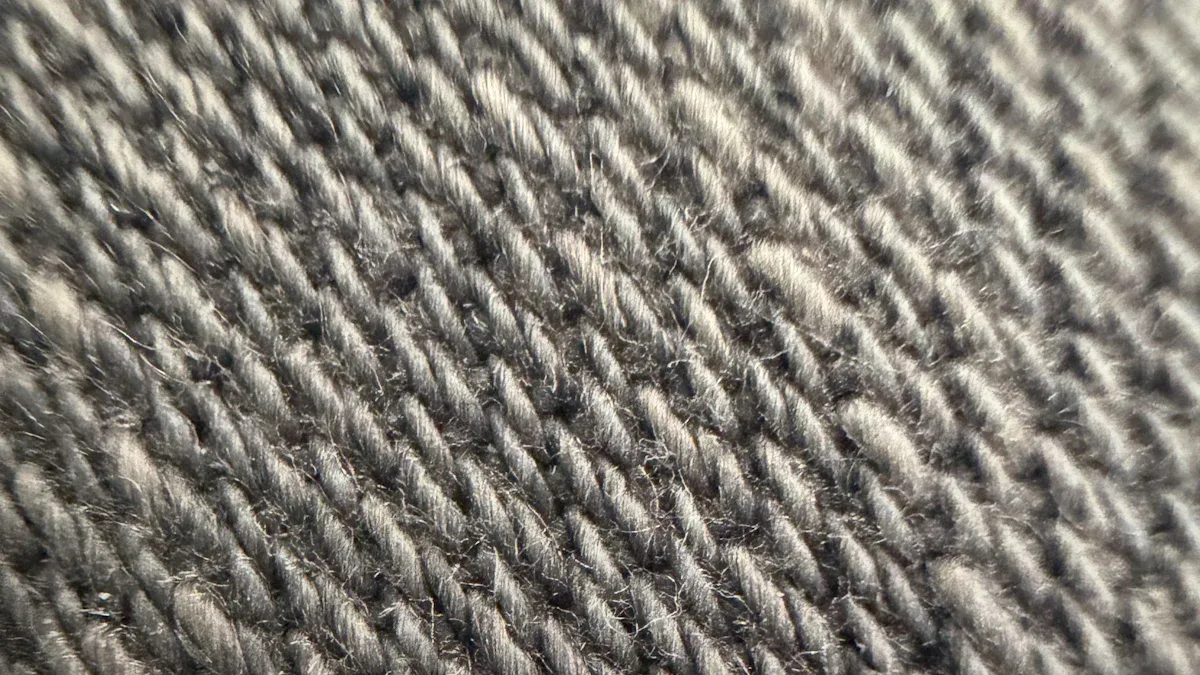
Strength Metrics
Resin infusion technology makes industrial composites much stronger. This method gives great strength-to-weight ratios. For example, carbon fiber composites can reach tensile strengths of up to 600 MPa. This means they can hold heavy loads without breaking. In comparison, traditional materials like aluminum have a tensile strength of about 300 MPa.
Using resin infusion also makes the composite more uniform. The vacuum process helps the resin soak into the reinforcement materials. This soaking creates fewer weak spots in the final product. As a result, you get a composite that works better and lasts longer.
Weight Reduction
One big benefit of resin infusion technology is weight reduction. By using light materials like carbon fiber, you can make composites that are much lighter than metals. For instance, a carbon fiber composite can weigh around 50% less than an aluminum one while keeping similar strength levels.
This weight reduction is very important in industries like aerospace and automotive. Lighter materials help improve fuel efficiency and performance. For example, making an aircraft lighter can save a lot on fuel costs over time.
Industry Applications of Resin Infusion

Aerospace
In the aerospace field, resin infusion technology is very important. It helps make parts for airplanes. Manufacturers use it to create strong and light pieces. For example, wings and fuselage sections use carbon fiber composites. These materials are lighter, which helps save fuel.
Using resin infusion also makes planes safer. The even spread of resin means fewer weak spots. This quality helps planes handle the pressures of flying. Companies like Boeing and Airbus use this technology to stay ahead. They want to make safer and better planes.
Automotive
The automotive industry also uses resin infusion technology. Car makers use it to build lighter cars. This weight loss helps with fuel efficiency and performance. For example, sports cars often have carbon fiber parts to boost speed and handling.
Also, resin infusion allows for making complex shapes. This ability lets designers create new car styles. Companies like Tesla and Ford are looking into these materials to meet customer needs for efficiency and eco-friendliness.
Marine and Renewable Energy
In the marine industry, resin infusion technology is key for making boats and ships. Manufacturers use it to create hulls that are strong and light. This mix improves speed and fuel efficiency on the water.
The renewable energy field also gains from this technology. Wind turbine blades made from resin-infused composites are lighter and tougher. This strength helps them survive tough weather. Companies like Marjan Polymer Pakistan are leading in making these advanced materials for different uses.
Using resin infusion technology not only boosts performance but also helps the environment. By cutting down on waste and improving energy use, this technology helps create a greener future.
Case Studies of Resin Infusion Success
Aerospace Example
In the aerospace field, Boeing has used resin infusion technology in its 787 Dreamliner. This airplane has wings and fuselage made from carbon fiber reinforced composites. The infusion process makes the structure lighter, which helps with fuel efficiency. The 787 is about 20% more fuel-efficient than other similar planes. This means airlines save a lot of money.
Key Benefits:
- Lighter weight leads to less fuel use.
- Stronger materials improve safety and performance.
Automotive Example
In the automotive industry, Tesla uses resin infusion technology for its Model S and Model X cars. The company includes carbon fiber parts to lower weight while keeping high performance. This method helps Tesla achieve great acceleration and handling. The infusion process also allows for making complex shapes, giving designers more options.
Impact on Production Efficiency:
- Faster production times because of better processes.
- Less waste of materials, which cuts costs and helps the environment.
Both Boeing and Tesla show how resin infusion technology can change industries. By using this advanced method, they make stronger and lighter products that fit today’s needs. The benefits go beyond just performance; they also include saving money and helping the environment.
Future Trends in Resin Infusion Technology
Innovations
You can look forward to new ideas in resin infusion technology. Researchers are making new materials that improve performance. For example, bio-based resins are becoming popular. These resins come from renewable sources. They help the environment while staying strong.
Another new idea is using machines for the process. Automation can make production faster. It also helps keep the final products consistent. You might see robots doing the infusion work. This change can reduce mistakes and improve quality.
3D printing is also changing this area. Mixing 3D printing with resin infusion allows for complex shapes. This ability opens up new design options. You can create parts that were hard to make before.
Industry Impacts
The improvements in resin infusion technology will greatly affect many industries. In aerospace, lighter materials will make planes use less fuel. This change can lower costs for airlines. You may see airlines using these technologies to stay ahead.
In the automotive industry, the need for electric cars will increase demand for light composites. These materials can help batteries work better. As a result, you might see electric cars going farther.
The marine industry will also gain. Stronger and lighter boats will perform better and use less fuel. This change can lead to lower emissions, helping the environment.
Overall, the future of resin infusion technology looks bright. New ideas will keep changing industries, making products stronger and lighter. You can expect to see these advancements in everyday items.
Advanced resin infusion technology is very important. It helps make industrial composites that are stronger and lighter. You saw how this technology boosts strength and cuts down weight. Fields like aerospace, automotive, and marine gain a lot from these materials.
Key Takeaways:
- Resin infusion makes products better.
- It saves a lot of weight.
- New ideas will bring even more improvements.
As you look into resin infusion, think about how it can change your projects and industries.
