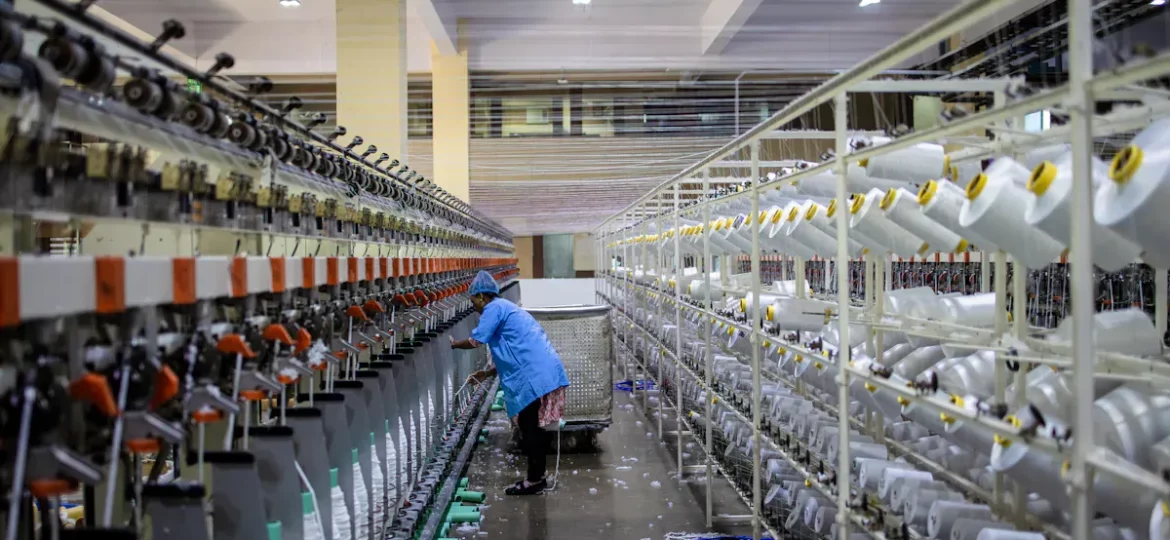
Waterjet loom technology is changing how we make textiles. This new method uses strong water jets to weave fabrics fast and well. You can expect better fabric quality and more control over the yarn. Also, this technology helps with sustainability by cutting down waste and energy use. Because of this, you can create textiles that fit today’s needs for speed and being eco-friendly.
Features of Waterjet Looms
High-Speed Production
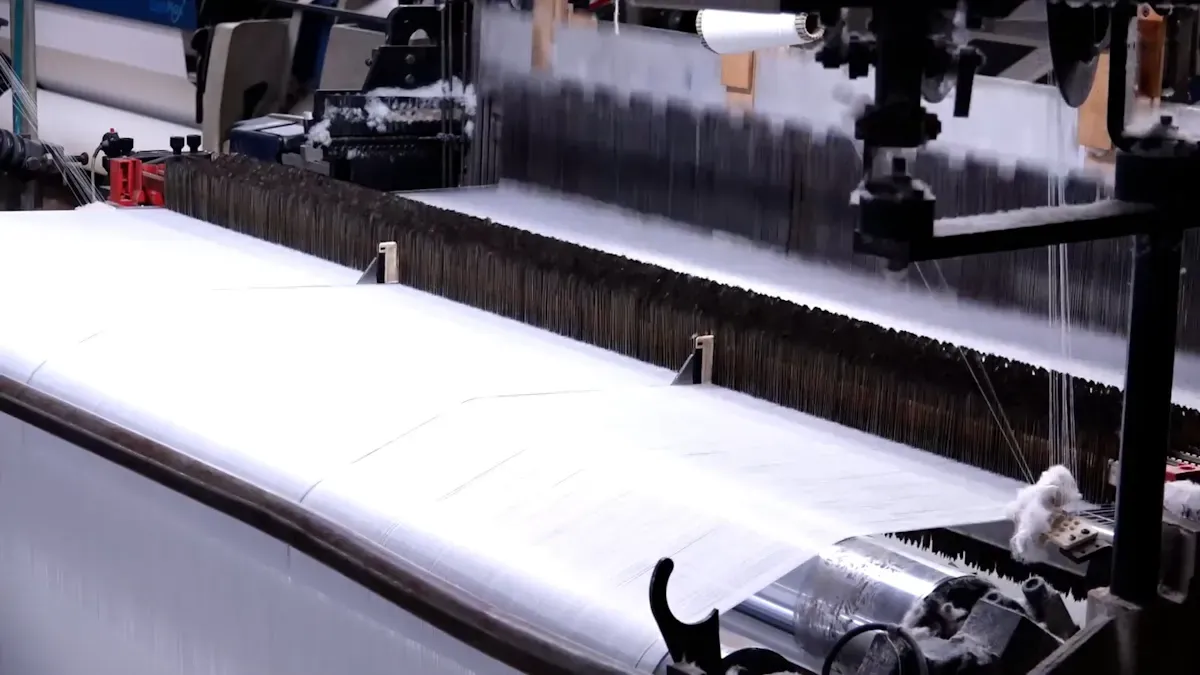
Waterjet loom technology changes how we make textiles. It uses strong water jets to push yarn through the loom very fast. This means you can make fabrics quicker than old methods. This speed helps you produce more and saves time. You can meet tight deadlines without losing quality.
Waterjet looms work well with different materials. You can use them for light fabrics or heavy textiles. These looms adjust easily to what you need. This flexibility lets you offer more products without buying many machines. You can make your work easier and use your resources better.
Yarn Control and Fabric Quality
With waterjet loom technology, you have great control over yarn tension. This control helps keep fabric quality consistent. You can make detailed patterns and designs accurately. Changing the water pressure and speed lets you customize how you weave. This flexibility helps you get the right look and feel for your fabrics.
Also, the waterjet process reduces yarn fraying and breakage. This makes your fabrics stronger and longer-lasting. You can create textiles that resist wear and tear, which is great for many uses. High-quality fabrics improve your brand image and make customers happy.
Advantages of Waterjet Loom Technology
Eco-Friendly Production
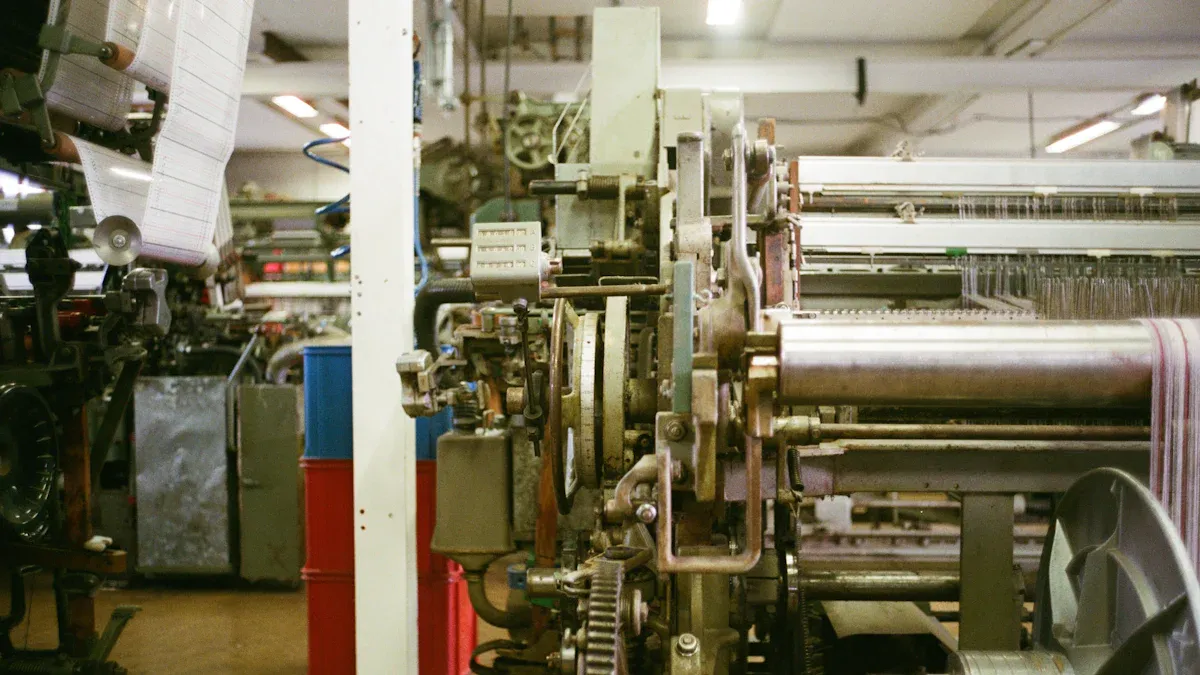
Waterjet loom technology has many benefits for eco-friendly production. This method cuts down on waste and energy use. It is a smart choice for textile makers. Here are some important benefits:
- Reduced Water Usage: Waterjet looms use strong water jets. They need less water than old weaving methods. This helps save this important resource.
- Lower Energy Consumption: Waterjet looms work very fast. You can make more fabric in less time. This means lower energy costs. You can run your production with less impact on the environment.
- Minimal Waste Generation: Waterjet technology is very precise. It creates less fabric waste when cutting and weaving. You can use more material, which saves money and is good for the planet.
- Durability and Low Maintenance: Waterjet looms are made to last a long time. They need fewer repairs and less maintenance. This durability means you buy fewer replacement parts, which cuts down on waste.
- Versatile Material Handling: You can use waterjet looms with many types of materials. This includes both natural and synthetic fibers. This flexibility lets you make many eco-friendly textiles without needing extra machines.
By using waterjet loom technology, you help create a more sustainable textile industry. You can meet the demand for eco-friendly products while keeping high production quality.
Real-World Applications
Waterjet loom technology is used in many industries. Lots of textile makers have started using this technology to improve how they produce fabrics. A good example is Marjan Polymer Pakistan. This company uses waterjet looms to make high-quality fabrics for different uses.
Automotive Textiles
In the car industry, waterjet looms are very important. Manufacturers use these looms to create strong upholstery and interior fabrics. The accuracy of waterjet technology allows for detailed designs that make cars look better. You can find waterjet-woven fabrics in car seats, headliners, and door panels. These textiles not only look nice but also last a long time, making them perfect for everyday use.
Fashion Industry
The fashion industry also gains from waterjet loom technology. Designers like the chance to create special patterns and textures. Waterjet looms let them try out different materials, from light silks to tough canvas. This flexibility helps them make unique designs that stand out. You can see waterjet-woven fabrics in everything from fancy clothes to stylish accessories.
Waterjet loom technology is changing the textile industry a lot. It helps you make fabrics faster. This technology also improves fabric quality and gives you better control over designs. It makes being eco-friendly easier by cutting down waste and energy use. By using waterjet looms, you can meet today’s needs for high-quality and eco-friendly textiles. Think about this new technology for your future textile production. It can help you stay competitive and responsible in a fast-changing market.
