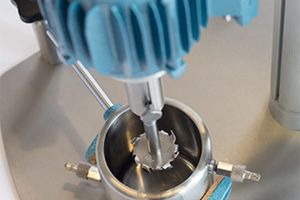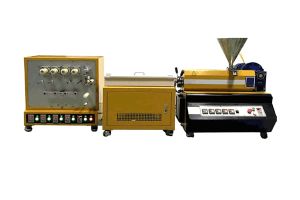



Kneader Mixer is MPI’s configurable intensive batch-mixing platform for rubber, polymer, masterbatch and other high-viscosity compounds. It is engineered around the material recipe, required dispersion, batch mass, cycle target, utility conditions and downstream process—not a generic one-size specification.
For buyers searching in Pakistan, this equipment is also commonly described as a rubber kneader machine, dispersion kneader or internal kneader mixer. MPI converts the customer’s process requirement into an agreed chamber, rotor, drive, ram, temperature-control and discharge package.
Process Purpose
The machine applies controlled shear, pressure and temperature inside an enclosed mixing chamber. Polymer is masticated while fillers, pigments, oils and additives are incorporated and dispersed. A correctly selected kneader improves batch repeatability, housekeeping and production control before milling, sheeting, extrusion, moulding or pelletising.
Best-Fit Applications
- Natural and synthetic rubber compounds for seals, hoses, belts, rollers, footwear and technical goods
- EVA, TPR and TPE compounds
- PVC and specialty thermoplastic compounding
- Black, white and colour masterbatch
- Silicone, sealant, adhesive and highly filled polymer systems after compatibility review
- Laboratory formulation development, pilot trials and production-scale batch mixing
How the Kneading Cycle Works
- Charge: weighed polymer, filler and additives enter through the feed hopper or an integrated dosing system.
- Pressurise: the ram maintains material engagement with the rotors.
- Mix and disperse: counter-rotating rotors create distributive and dispersive mixing while the chamber circuit manages heat.
- Monitor: the operator or PLC tracks time, temperature, speed, pressure, current, energy or torque as specified.
- Discharge: the mixed batch is released by tilt or drop-door arrangement into the selected downstream process.
Core Machine Assemblies
| Assembly | Engineering role | Configuration basis |
|---|---|---|
| Mixing chamber | Enclosed working zone for polymer, filler and additives | Batch volume, wear, corrosion and cleaning requirement |
| Rotor system | Generates mastication, circulation and dispersion | Material rheology, dispersion target and cycle |
| Ram and hopper | Controls charge containment and material engagement | Feed form, dust behaviour and pressure requirement |
| Main drive | Delivers controlled torque to the rotor train | Batch load, rotor speed, starting torque and duty cycle |
| Thermal circuit | Removes or supplies process heat | Recipe temperature, available utilities and heat load |
| Discharge system | Transfers the completed batch safely | Tilt, drop-door or project-specific downstream interface |
| Controls | Runs, protects and records the mixing cycle | Manual, relay, PLC/HMI or data-enabled project scope |
Configurable Engineering Range
Final values are contractual only after MPI reviews the user requirement specification (URS), material data and approved general-arrangement drawing.
| Parameter | Available engineering direction |
|---|---|
| Scale | Laboratory, pilot and industrial production systems |
| Working capacity | Sized from chamber volume, compound density, fill factor and required batch mass |
| Rotor concept | Tangential, intermeshing or application-specific geometry after process review |
| Rotor speed | Fixed, multi-speed or variable-frequency control |
| Ram actuation | Pneumatic or hydraulic, subject to size and process duty |
| Discharge | Tilt-body, drop-door or engineered transfer arrangement |
| Wetted/contact materials | Selected steel, stainless steel, hard-facing or surface treatment according to wear and compatibility |
| Heating/cooling | Jacket and rotor circulation package matched to approved utilities |
| Electrical supply | Engineered for the installation voltage, frequency, fault level and site standard |
| Controls | Conventional controls or PLC/HMI with recipe, alarm and trend functions |
Rotor and Chamber Selection
Mixing quality depends on more than motor power. MPI reviews polymer type, Mooney or process viscosity, filler loading, abrasive content, temperature sensitivity, desired dispersion, colour-change frequency and cleaning method. Rotor profile, clearance, speed ratio, chamber material and thermal circuit are then selected as one process system.
Temperature Management
Polymer mixing generates heat rapidly. The engineered thermal package can include chamber and rotor passages, manifolds, temperature sensors, circulation skid interfaces and automatic valves. The design basis records the permitted stock temperature, utility inlet conditions, expected heat load and control philosophy.
Drive and Torque Management
The drive train is selected for high starting torque, transient batch load and the intended duty cycle. Depending on the project, it may include a heavy-duty motor, gearbox, coupling, bearing arrangement, variable-frequency drive, current monitoring and overload protection. Rated performance is confirmed on the approved data sheet.
Controls and Batch Repeatability
- Manual or recipe-based automatic sequence
- Rotor speed and mixing-time control
- Temperature, ram pressure and motor-load monitoring
- Alarm history and permissive/interlock logic
- Optional energy, torque or batch-trend recording
- Optional communication with weighing, dosing and plant systems
Safety by Design
Safety is finalised through the project risk assessment. Typical provisions include fixed and interlocked guards, emergency stops, feed-door and discharge permissives, overload protection, temperature limits, ram-position logic, pressure protection, lockable isolation points and safe maintenance access. Site compliance requirements must be stated in the URS.
Upstream and Downstream Integration
| Process stage | Integration options |
|---|---|
| Material preparation | Bale cutting, weighing, powder handling, oil dosing and batch preparation |
| Feeding | Manual charge, conveyor, automated feed and dust-extraction interface |
| Discharge handling | Receiving tray, conveyor, bucket elevator or direct downstream transfer |
| Sheet formation | Open mixing mill, twin-screw sheeter or project-specific system |
| Cooling | Batch-off cooling and stacking line |
| Plant data | Batch reports, recipe management and agreed communication protocol |
Materials and Wear Protection
Contact surfaces are specified according to abrasion, adhesion, corrosion and contamination risk. Options may include hardened working surfaces, replaceable wear components, chrome or other engineered coatings, stainless-steel contact parts and enhanced sealing. Material certificates and surface requirements can be included in the documentation scope.
Quality and Acceptance Plan
Before manufacture, MPI aligns the URS, process basis, data sheet, general arrangement, utility schedule and control philosophy. The inspection and test plan can cover dimensional checks, material documentation, electrical checks, no-load operation, safety-interlock tests and a customer-agreed factory acceptance test. Product trials require representative raw materials and a defined acceptance method.
Information Needed for Accurate Sizing
- Material/formulation family and approximate batch recipe
- Required net batch mass and batches per hour
- Bulk density or compound density and expected fill factor
- Target dispersion, final temperature and downstream process
- Available cooling water, compressed air, heating medium and electrical supply
- Hazardous-area, dust-control, hygiene or material-of-construction requirements
- Automation, data-recording and plant-integration expectations
- Site access, footprint and installation constraints
Installation, Commissioning and Training
MPI can support foundation and utility review, installation supervision, alignment checks, commissioning, operator instruction, preventive-maintenance guidance and documentation handover in Pakistan. The exact service scope, travel and customer responsibilities are agreed in the commercial proposal.
Maintenance and Lifecycle Support
Routine care focuses on lubrication, seals, bearings, gearbox, ram system, rotor clearances, thermal passages, guards and safety interlocks. MPI can define recommended spares and maintenance intervals for the selected configuration. Wear life varies with compound abrasiveness, operating temperature, contamination and cleaning practice.
Why Specify Your Kneader with MPI
- Pakistan-based engineering coordination and service access
- Machine selection from the process requirement instead of catalogue capacity alone
- Custom chamber, rotor, drive, thermal and automation scope
- Integration with mills, sheeters, cooling and material-handling equipment
- Documented quotation basis with agreed exclusions and acceptance criteria
Frequently Asked Questions
What is a kneader mixer used for?
A kneader mixer is used for intensive batch mixing, mastication and dispersion of high-viscosity rubber, elastomer, thermoplastic, masterbatch, adhesive and specialty polymer compounds.
Is this the same as a dispersion kneader?
For rubber and polymer processing, the requested machine is commonly called a kneader mixer, rubber kneader, dispersion kneader or internal kneader. MPI confirms the correct chamber, rotor and discharge arrangement against the customer’s process.
Which materials can be processed?
Typical materials include natural and synthetic rubber, EVA, TPR/TPE, PVC compounds, colour and additive masterbatch, silicone formulations, sealants and selected adhesive or filled polymer systems, subject to process review.
What batch capacity is available?
Laboratory, pilot and production capacities can be engineered. Usable batch mass depends on chamber volume, fill factor and compound density, so MPI sizes the machine from the formulation and required throughput rather than litres alone.
Can the chamber be heated and cooled?
Yes. Jacketed chambers, rotors and related circulation circuits can be configured for water, thermal fluid or other approved utilities. The final arrangement is selected from the process temperature and cycle requirements.
Which rotor configuration should I select?
Tangential and intermeshing concepts, rotor geometry, speed ratio and surface treatment are selected according to dispersion target, material sensitivity, viscosity, cleaning needs and batch cycle.
Is automatic control available?
PLC and HMI control can be specified with recipe steps, rotor speed, ram pressure, temperature, time, energy or torque trends, alarms and batch records where the project requires them.
What safety systems are included?
The safety package is defined by the approved risk assessment and may include guarded moving parts, safety interlocks, emergency stops, overload protection, temperature limits, pressure protection and controlled discharge logic.
Can MPI integrate downstream equipment?
Yes. The kneader can be engineered with feeders, dust collection, oil dosing, open mill, twin-screw sheeter, bucket elevator, conveyor, batch-off cooling or customer-specified downstream equipment.
Does MPI provide installation in Pakistan?
MPI can provide engineering coordination, installation supervision, commissioning, operator training, documentation and after-sales support for projects across Pakistan, subject to the agreed supply scope.
Request an Engineering Proposal
Send MPI your material, batch mass, throughput, target temperature, utilities, downstream process and automation requirement. MPI will prepare a configuration and quotation for the appropriate Kneader Mixer in Pakistan.