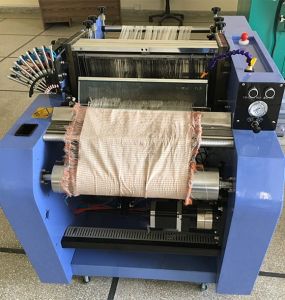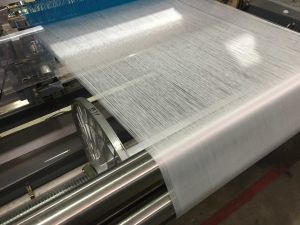


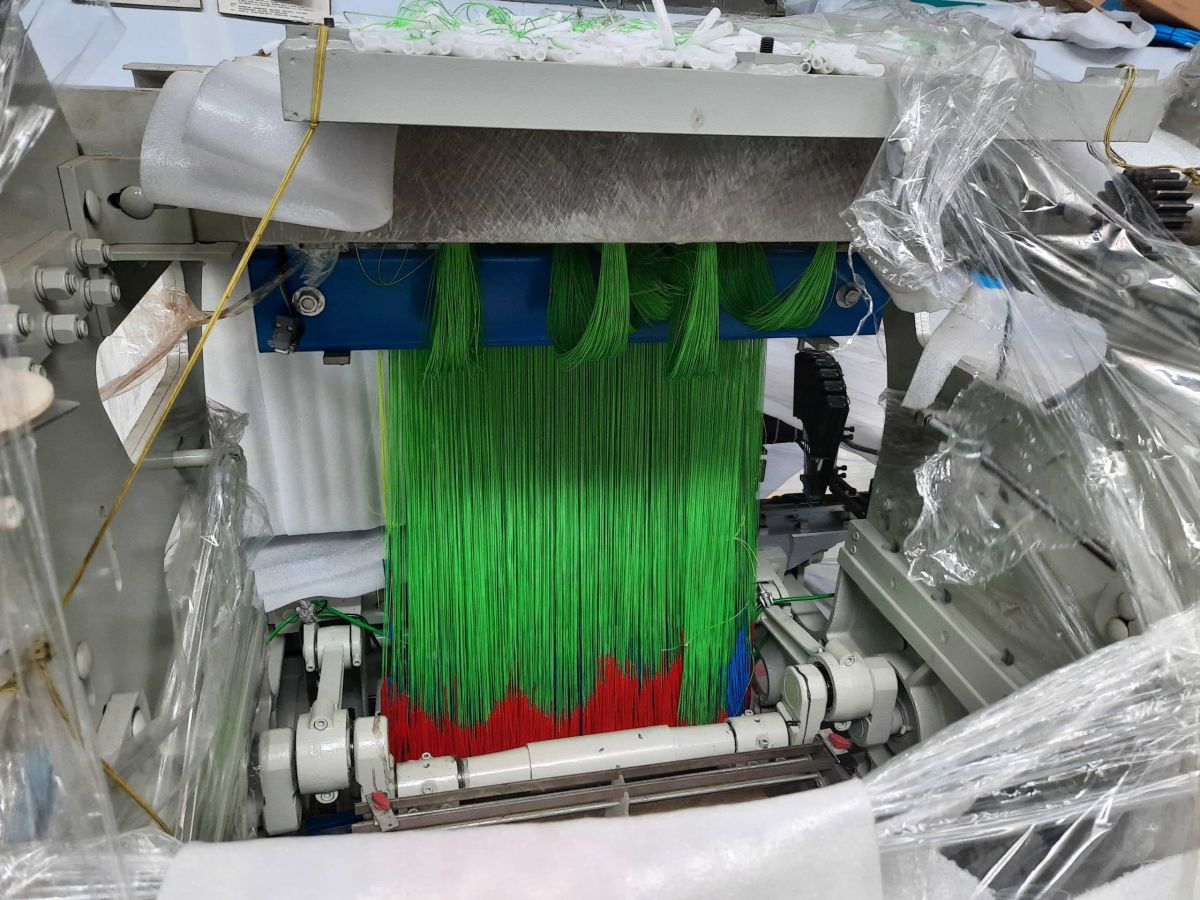
Terry Towel Jacquard Loom is MPI’s configurable weaving platform for figured terry towels with electronic individual-warp-end pattern control. In Pakistan it is also commonly searched as a Jacquard terry loom, electronic Jacquard towel loom or terry towel weaving machine.
Each system is engineered from finished towel dimensions, reed width, yarn construction, ground and pile warp plans, fabric weight, pile geometry, pattern repeat, colour plan, production target and mill utilities. Final ratings are issued only in the approved MPI project data sheet.
Weaving Purpose
The machine combines terry loop formation with electronically selected Jacquard shedding. Separate ground and pile warp systems create the towel structure, while the Jacquard head and harness control the selected ends required for logos, motifs, borders, figured pile and other repeatable designs.
Complete Loom Architecture
| System | Primary function | Selection basis |
|---|---|---|
| Electronic Jacquard head | Selects controlled warp ends according to the design file | Hook format, speed, shed geometry and design complexity |
| Harness and comber board | Transfers hook selection to the loom warp ends | Reed width, density, repeat, draw and yarn friction |
| Ground-warp let-off | Maintains stable structural-warp tension | Beam size, yarn, construction and operating range |
| Pile-warp let-off | Supplies controlled yarn length for loop formation | Pile height, pile ratio, yarn behaviour and pattern |
| Terry motion and beat-up | Forms the loose picks and completes the loop group | Pick sequence, loop geometry, stability and speed |
| Weft insertion and selection | Places the programmed weft and colour | Rapier or approved platform, yarn, width and colour count |
| Electronic take-up | Controls pick density and fabric delivery | GSM, construction, pile programme and roll size |
| PLC/HMI and design interface | Coordinates motion, patterns, recipes and diagnostics | Automation, data format, plant standard and reporting |
Electronic Jacquard Pattern Control
The controller converts the approved weave design into timed hook selections synchronized with the loom. This individual-end control enables more complex and flexible patterning than a conventional dobby alone. Controller, power supply, communication, pattern storage and diagnostic functions are selected as one system.
Terry Loop Formation
Terry fabric requires controlled cooperation between the pile warp, ground warp, pick sequence and cloth-forming motion. The loom produces a temporary fell displacement or equivalent terry sequence, inserts the loose picks, then completes beat-up so the extra pile-warp length forms loops. Tension and timing determine loop consistency.
Configurable Engineering Range
Weaving speed and output depend on width, construction, yarn, Jacquard format, pile programme, colour changes and mill conditions. MPI confirms the operating window from the customer’s fabric portfolio rather than publishing one universal figure.
| Parameter | Available project direction |
|---|---|
| Usable width | Selected from finished towel sizes, repeats, selvedges and cutting plan |
| Jacquard format | Application-selected hook count and electronic control architecture |
| Harness | Custom draw, cords, heddles and comber-board drilling |
| Warp arrangement | Separate controlled ground and pile beams with project-specific capacities |
| Weft insertion | Rapier or compatible terry platform selected for the fabric programme |
| Weft colours | Electronic selection configured to the product portfolio |
| Pile formation | Programmable loop sequence and pile-height capability where specified |
| Take-up | Electronic pick-density control and approved cloth-roll arrangement |
| Controls | PLC/HMI, pattern transfer, recipes, diagnostics and connectivity options |
| Auxiliaries | Warp stop motion, weft detection, selvedge, lighting and inspection options |
Jacquard Format and Harness Engineering
The required hook count is calculated from controlled ends, weave width, warp density, repeat and harness draw. More hooks do not automatically mean a better project. Correct comber-board drilling, cord geometry, heddle selection, shed height and load distribution are essential for reliable selection and low yarn abrasion.
Ground and Pile Warp Control
Ground warp provides fabric stability while pile warp supplies the additional length that forms loops. Independent electronic let-off systems can maintain the different tension requirements. Beam diameter, braking, tension feedback and warp-stop arrangement are selected for the yarn and production plan.
Weft Insertion and Colour Selection
Rapier insertion is widely used for terry and Jacquard versatility, while other terry-compatible platforms may suit different productivity or utility priorities. Electronic colour selectors, cutters, accumulators and weft detectors are matched to yarn count, colour sequence, width and selvedge design.
Pile, Border and Pattern Capability
- Figured pile motifs, logos and decorative repeats
- Programmed borders and changes between pile and flat sections
- Single-face or double-face pattern strategy where the construction permits
- Different pile levels or sculptural effects where supported by the terry motion
- Colour and weave effects coordinated with the selected weft system
- Product recipes for bath, hand, hotel, beach and promotional towels
Yarn and Fabric Programme
Cotton and approved blends are common, while microfiber or specialty yarns require specific friction, tension, static and shedding evaluation. MPI reviews yarn counts, twist, sizing condition, pile ratio, ends and picks, GSM, absorbency target, finishing allowance and finished dimensions before selecting the loom.
Fabric Quality Controls
| Quality characteristic | Primary machine influences |
|---|---|
| Loop uniformity | Pile let-off, terry motion, warp tension and beat-up timing |
| Pattern definition | Jacquard selection, harness geometry, yarn colour and weave design |
| Fabric weight | Ground/pile warp delivery, pick density and yarn counts |
| Width and selvedge | Reed plan, temple, weft tension and selvedge device |
| Defect prevention | Warp stop, weft detection, diagnostics and operator response |
| Repeatability | Recipes, beam condition, tension feedback and controlled settings |
Pattern Design and Data Workflow
Artwork must be translated into a weave file compatible with the Jacquard controller and the actual harness draw. The workflow includes repeat definition, ground/pile mapping, colour assignment, float control, simulation, file transfer, version control and loom sampling. Final production approval follows a woven sample, not the screen image alone.
Controls, Diagnostics and Connectivity
The PLC/HMI can coordinate loom speed, warp let-off, take-up, terry sequence, weft selection, fault messages and production counters. Jacquard diagnostics can identify selection or communication issues. Network or mill-management connectivity is configured only where controller compatibility and cybersecurity responsibilities are defined.
Safety and Maintainability
Safety scope includes guards, emergency stops, safe stopping, interlocks, access to the Jacquard and harness, electrical isolation, lifting provisions and working platforms where required. Lint management, lubrication access, modular electronics and planned spares support maintainability in a towel-weaving environment.
Utilities and Mill Conditions
| Interface | Information MPI confirms |
|---|---|
| Electrical supply | Voltage, frequency, connected load, protection and earthing |
| Compressed air | Pressure, quality and consumption for the selected platform |
| Climate | Temperature, humidity and lint-control requirements for yarn stability |
| Foundation | Floor loading, levelling, vibration and anchoring |
| Access | Machine delivery route, Jacquard lifting height and maintenance clearance |
| Data | Pattern transfer, network, backups and controller interfaces |
Jacquard or Dobby Selection
Dobby shedding is appropriate for repeated structures controlled through a limited number of frames. Electronic Jacquard is selected when individual-end control, large repeats, logos or complex figured designs justify the additional head, harness, height, programming and maintenance requirements. MPI reviews the commercial product mix before recommendation.
Quality and Acceptance Planning
Factory and site acceptance can include mechanical and electrical inspection, safety checks, motion synchronization, Jacquard selection tests, pattern transfer, dry running and agreed fabric trials. Trial yarn, beams, pattern files, quality standards and acceptance samples must be defined before testing.
Supply Scope and Documentation
Project scope may include the terry loom, electronic Jacquard head, harness, controls, auxiliaries, layout coordination, manuals, electrical drawings, pattern-workflow guidance, recommended spares, installation supervision, commissioning and training. Battery limits and exclusions are stated in the technical offer.
Support for Pakistan’s Towel Industry
MPI configures Terry Towel Jacquard Loom projects for Pakistan’s towel manufacturers, local yarn programmes, utilities, operator capability and export-quality requirements. Support can cover Karachi, Lahore, Faisalabad, Multan and textile clusters across Pakistan under the agreed scope.
Information Required for a Firm Proposal
- Finished towel dimensions, product mix and cutting plan
- Reed width, warp density, pick density and target GSM
- Ground and pile yarn counts, materials, beam and tension details
- Pile height, pile ratio, terry pick sequence and border construction
- Jacquard artwork, repeat, controlled ends and colour plan
- Target production, operating schedule and quality limits
- Electrical, air, climate, floor and lifting conditions
- Training, spares, data and acceptance-test requirements
Frequently Asked Questions
What is a Terry Towel Jacquard Loom?
It is a terry weaving machine integrated with an electronic Jacquard shedding system so selected warp ends can be controlled individually for detailed motifs, logos, borders and pile-pattern effects.
How is it different from a standard terry rapier loom?
A terry rapier loom describes the weft-insertion platform. A Jacquard terry configuration adds individual-end pattern control through the Jacquard head and harness; the loom may still use rapier or another approved insertion system.
Can the loom produce logos and custom towel designs?
Yes. The Jacquard format, harness layout, design repeat and pile formation system can be engineered for custom logos, figured borders and complex terry patterns after the artwork and fabric construction are reviewed.
How is the required Jacquard hook format selected?
Hook format depends on usable width, warp density, number of controlled ends, repeat, selvedge strategy, harness draw and whether ground, pile or selected pattern ends require individual control.
Can pile height and pick density be programmed?
Electronic let-off, terry motion and take-up can support programmable pile and pick-density changes where the selected loom platform allows. The usable range is confirmed in the approved specification.
Which weft-insertion systems are available?
A project may use rapier or another terry-compatible insertion platform. Selection follows yarn type, fabric width, colour count, productivity, air availability, pattern duty and maintenance capability.
Which towel products can be woven?
Configurations can support bath, hand, face, hotel, institutional, beach, promotional and decorative Jacquard towels, subject to yarn, width, construction, weight and pattern requirements.
What information is needed for loom selection?
Provide finished towel dimensions, reed width, yarn counts and materials, ground and pile warp plan, picks and ends, GSM, pile height, colour plan, Jacquard repeat, pattern files and target production.
Does MPI supply design and operator training?
The agreed scope can include pattern-workflow guidance, loom and Jacquard operation, quality settings, preventive maintenance, troubleshooting and documentation.
Does MPI provide installation support in Pakistan?
MPI can provide layout coordination, installation supervision, commissioning, training, spares planning and after-sales support across Pakistan under the agreed supply scope.
Request a Terry Towel Jacquard Loom Proposal
Send MPI your towel dimensions, yarn plan, fabric construction, Jacquard artwork, required width, target output and mill utilities. MPI will prepare a project-specific Terry Towel Jacquard Loom proposal for Pakistan.