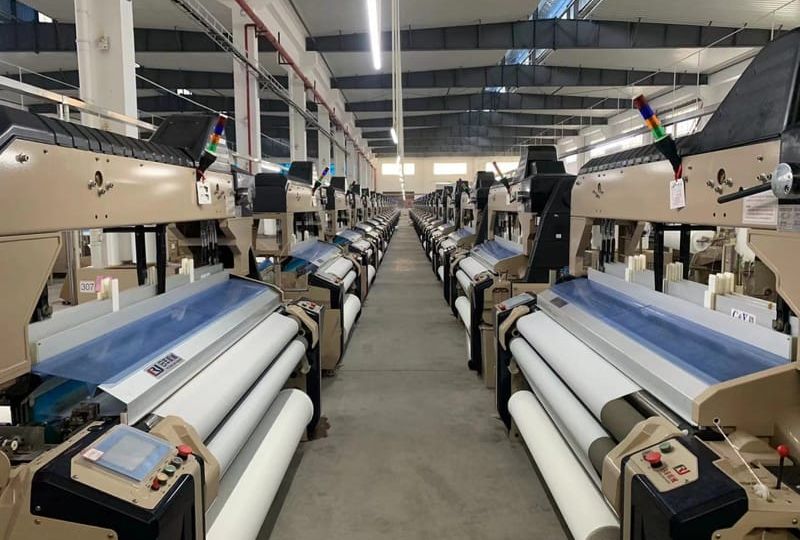
Industrial waterjet loom machines change the textile industry. These modern machines make weaving easier and faster. You can make fabric much quicker than before. The fabric quality is better because of careful yarn control. It also costs less to operate these machines. Companies like Marjan Polymer Pakistan use these machines to work better and keep high standards. By using industrial waterjet loom machines, your mill can succeed in a tough market.
Production Speed
Comparison to Traditional Looms
Industrial waterjet loom machines change how we weave. They do not use shuttles. Traditional looms need shuttles to move the weft yarn. This makes production slower because the shuttle goes back and forth. Waterjet looms use strong water jets to move the yarn. This new technology helps keep the yarn moving, which speeds up fabric production a lot.
Waterjet looms can work at speeds up to 1,000 meters per minute. Traditional looms usually work at about 200 to 300 meters per minute. This means you can make fabric five times faster with waterjet loom machines than with traditional ones.
Real-World Speed Improvements
Many textile mills have seen the good results of using waterjet technology. For example, Marjan Polymer Pakistan saw a 60% boost in production speed after using waterjet loom machines. This change not only increases output but also helps mills meet customer needs better.
Another mill in Turkey found that their production time went from several days to just hours for some types of fabric. This quick turnaround helps them react fast to market trends and customer requests.
Fabric Quality
Enhanced Yarn Control
Industrial waterjet loom machines greatly improve fabric quality. They do this with advanced yarn control. These machines use special nozzles to manage yarn tension well. This control helps you make fabrics that are strong and have a consistent texture. Traditional looms can have uneven tension, but waterjet looms keep the yarn flowing steadily. This means there are fewer mistakes and a smoother finish.
You can also change the water pressure for different yarn types. This flexibility lets you work with delicate materials without causing damage. Adjusting the yarn tension leads to better-quality fabrics that meet today’s market needs.
Material Versatility
Another benefit of industrial waterjet loom machines is their ability to work with many materials. These machines can weave different fabrics, from light silks to tough textiles. You can try out various blends and textures, which expands what you can offer.
Waterjet technology lets you mix different materials easily. For example, you can create unique patterns by combining synthetic and natural fibers. This ability opens up new creative options in fabric design. Mills like Marjan Polymer Pakistan have used this versatility to make innovative fabrics that stand out.
Energy Efficiency
Operational Cost Reduction
Industrial waterjet loom machines use less energy than traditional looms. They work with high-pressure water jets instead of mechanical shuttles. This change helps lower energy costs. You will notice a drop in your electricity bills because these machines work better.
- Lower Energy Use: Waterjet looms need less power to run. This means your mill saves money.
- Reduced Downtime: These machines have fewer moving parts. They need less energy for repairs, so you save time and money.
Many mills, like Marjan Polymer Pakistan, have seen big savings after switching to waterjet technology. They have lower costs while still making a lot of fabric.
Environmental Impact
Using industrial waterjet loom machines is good for the environment. They use less energy, which helps reduce carbon footprints. This is important today because being sustainable is very important.
Tip: Think about the long-term benefits of using energy-efficient machines. They save money and help the planet.
Waterjet technology helps you follow eco-friendly practices. This can improve your brand image and attract customers who care about sustainability.
Low Maintenance
Longevity of Machines
Industrial waterjet loom machines are made to last a long time. They are designed to be strong, so they can work for many years. These machines have fewer moving parts than traditional looms. This means they wear out less quickly. You will see that waterjet looms need fewer replacements and repairs.
Many mills, like Marjan Polymer Pakistan, say their waterjet machines still work well after years. This long life means fewer stops in production. You can concentrate on meeting customer needs instead of worrying about machine problems.
Maintenance Cost Comparisons
Waterjet looms save a lot of money on maintenance. Traditional looms often need regular care, like replacing shuttles and fixing parts. These tasks can cost a lot over time, raising your operational costs.
On the other hand, waterjet looms need less care. You can expect to pay less for parts and labor. Here’s a quick comparison:
| Aspect | Traditional Looms | Waterjet Looms |
|---|---|---|
| Maintenance Frequency | High | Low |
| Average Cost per Year | $5,000 | $1,500 |
| Downtime for Repairs | Frequent | Rare |
By switching to waterjet technology, you can save thousands of dollars every year. This cost savings lets you invest more in other parts of your business. You will see that the long-term benefits of low maintenance make waterjet looms a smart choice for modern mills.
Cost Efficiency
Overall Savings
Using industrial waterjet loom machines helps your mill save a lot of money. These machines lower costs in different ways:
- Lower Energy Bills: Waterjet looms use less energy than traditional looms. This can save you up to 30% on electricity bills.
- Reduced Labor Costs: With faster production speeds, you can make more fabric with fewer workers. This lets you use your workers for other important jobs.
- Fewer Repairs: Waterjet looms have fewer moving parts. This means they need less maintenance. This strength leads to lower repair costs over time.
Many mills, like Marjan Polymer Pakistan, have seen big savings after switching to waterjet technology. These savings can really help your profits.
ROI Analysis
When you think about the return on investment (ROI) for using industrial waterjet loom machines, the numbers are clear. You can expect to get your money back quickly because of these reasons:
- Initial Investment: The first cost of waterjet looms might be higher than traditional looms, but the long-term savings make them a smart choice.
- Increased Output: Making fabric faster means you can fill orders quicker. This speed can lead to more sales and happier customers.
- Long-Term Savings: Over time, the lower energy and maintenance costs help you get a better ROI. Many mills see their investment pay off in just a few years.
Industrial waterjet loom machines have many benefits for today’s textile mills. They help you make more fabric by speeding up production. The quality of the fabric is better, and costs to run the machines are lower. These machines also need less care, which saves money over time. Companies like Marjan Polymer Pakistan have seen these advantages already. As technology gets better, more new ideas in waterjet technology will come. Using these machines now helps your mill succeed in the future of making textiles.
