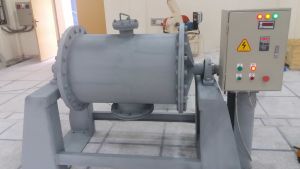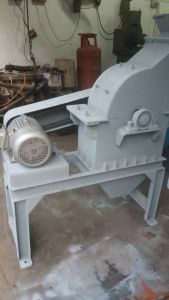

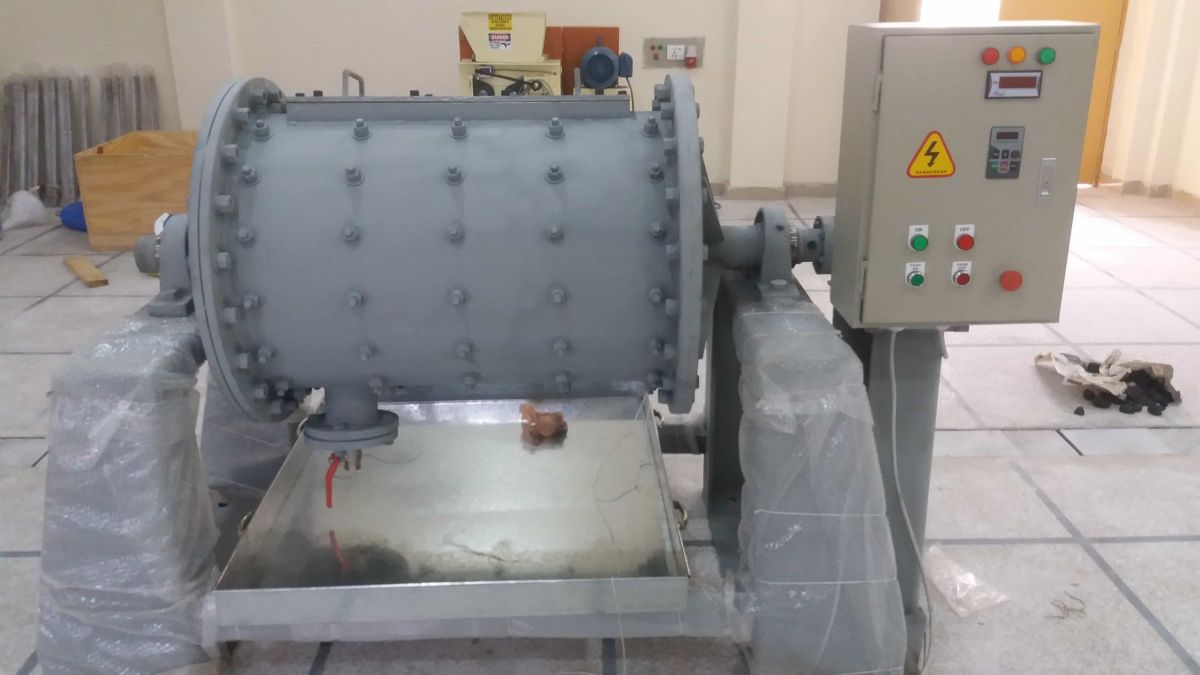
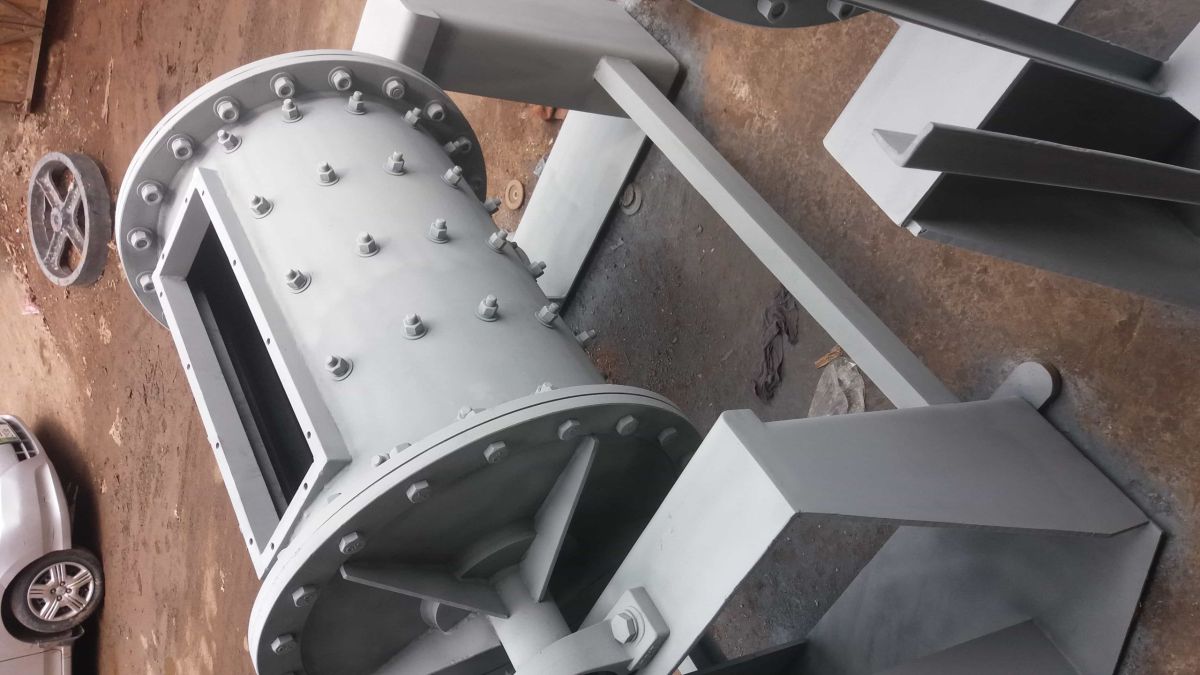
Rod Mill is a horizontal tumbling mill that uses steel rods as the grinding medium to reduce ores, minerals and other brittle materials with comparatively controlled generation of fines. Marjan Polymer Industries designs and supplies batch laboratory and pilot rod-milling systems in Pakistan for mineral beneficiation, process development and material-preparation work.
Grinding Principle
The cylindrical drum rotates below critical speed so the parallel rods lift, roll and cascade through the material. Line contact between rods promotes preferential grinding of coarser particles and can produce a narrower size distribution with fewer extreme fines than a comparable ball-milling duty.
Wet Grinding
For mineral slurries, beneficiation preparation and duties where water assists transport, dust control or downstream separation.
Dry Grinding
For compatible dry, non-hazardous materials with suitable dust control, heat management and discharge arrangements.
Batch Development
For laboratories and pilot plants that require controlled sample mass, timed grinding and repeatable operating recipes.
Configurable System Specification
| Design item | Available engineering basis |
|---|---|
| Working chamber | Project-specific batch drum; approximately 1–50 L can be evaluated for laboratory and pilot duties |
| Grinding medium | Selected steel or corrosion-compatible rods with defined diameter mix, length and charge mass |
| Operating mode | Wet or dry batch grinding, subject to material and safety review |
| Drive | Geared motor selected from drum size, charge and required torque; typical project range may fall within 5–30 hp |
| Speed | Fixed or variable-frequency control, engineered as a safe fraction of calculated critical speed |
| Drum and liners | Carbon steel, stainless-contact construction or replaceable liner system as duty requires |
| Controls | Start/stop, timer or revolution control, emergency stop, motor protection and optional speed display |
| Discharge | Manual, tilting or engineered outlet arrangement depending on batch size and slurry handling |
| Electrical supply | Matched to site voltage, frequency, phase and enclosure requirement |
All figures are selection ranges, not a fixed model promise. The commercial offer states the final chamber, motor, rods, speed window, construction and safeguards.
Process Inputs That Control Results
- Feed top size and particle-size distribution
- Bond work index or comparative grindability
- Hardness, abrasiveness and mineralogy
- Target product size and allowable fines
- Wet solids concentration or dry moisture level
- Rod diameter distribution and total charge
- Mill speed and batch residence time
- Required sample mass and downstream process
Mechanical Construction
Drum Assembly
Fabricated shell, removable or bolted access, machined running surfaces and sealing selected for the batch duty.
Drive & Support
Geared motor, guarded coupling or transmission, bearings and a rigid fabricated base designed for the charged mass.
Service Access
Loading, sampling, discharge and maintenance access arranged for safe handling and repeatable laboratory operation.
Materials and Applications
Mineral Beneficiation
Preparation of ore for flotation, gravity, magnetic or leaching studies.
Cement & Construction
Controlled grinding trials on clinker, slag, raw materials and compatible aggregates.
Ceramics & Refractories
Batch preparation of brittle mineral and ceramic feedstocks with selected contact materials.
Coal & Coke
Sample and process-development grinding only after dust, ignition and ventilation risks are reviewed.
Glass & Chemicals
Non-reactive brittle materials where contamination and contact-material compatibility are controlled.
Research Laboratories
Comparative grinding, liberation studies, scale-up data and feed preparation for university or industrial R&D.
Rod Mill Versus Ball Mill
Rod media create line contact and tend to attack coarser particles first, often giving a narrower product distribution and fewer fines. Ball media provide point contact and are generally preferred for finer grinding. The correct mill is selected from feed size, target size, liberation requirement, material behaviour and downstream process—not from nameplate power alone.
Controls and Safety
- Fully guarded drive, coupling and rotating pinch points
- Emergency stop and correctly rated motor overload protection
- Interlocked access cover where the operating method requires it
- Stable base, anchoring and safe charged-drum handling
- Dust extraction or closed wet handling appropriate to the material
- Electrical earthing and components selected for the site environment
- Documented procedures for loading, discharge, cleaning and rod handling
Testing and Acceptance
Recommended acceptance checks include no-load rotation, speed verification, vibration and noise observation, motor-current check, emergency-stop test, guard inspection and a controlled product trial. Performance acceptance should state feed preparation, batch mass, liquid ratio if wet, rod charge, operating time and sieve-analysis method.
Installation, Training and Support in Pakistan
MPI can provide layout review, utilities confirmation, commissioning support, operating guidance and maintenance planning for installations across Pakistan. Final scope, travel, civil work, rigging, consumables and operator training are defined in the commercial proposal.
Information Required for a Quotation
- Material name, safety data and representative sample
- Feed top size and target product distribution
- Wet or dry operation and required batch mass
- Hardness, abrasiveness and contamination limits
- Preferred chamber volume and contact material
- Rod material, timer and speed-control needs
- Site electrical supply and installation location
- Testing, documentation and delivery schedule
Frequently Asked Questions
What is a rod mill?
A rod mill is a rotating cylindrical grinding machine that uses steel rods as the media. Rod-to-particle line contact preferentially grinds coarser particles and can limit excessive fines.
Is this rod mill for laboratory or production use?
The shown configuration is suited to laboratory and pilot batch work. Larger continuous production mills require a separate process, mechanical and foundation design.
Can it grind wet and dry materials?
Yes, compatible systems can be engineered for wet or dry batch grinding. Sealing, discharge, dust control and material compatibility must match the selected mode.
What chamber capacity is available?
Laboratory and pilot chambers in an approximate 1–50 L project range can be evaluated. Usable charge is lower than gross volume and is confirmed after material and duty review.
What product fineness will the mill achieve?
Fineness depends on feed size, material grindability, rod charge, speed, residence time and classification. A representative trial is required for a defensible result.
How is mill speed selected?
Speed is selected as a controlled fraction of the calculated critical speed so the rods cascade effectively without unsafe centrifuging. Final rpm depends on drum diameter and duty.
Can stainless steel contact parts be supplied?
Yes, stainless-contact construction or liners can be evaluated where corrosion or contamination control requires it. Abrasive wear and grade compatibility must still be assessed.
What safety features are included?
A project can include guarded drives, emergency stop, overload protection, access interlock, earthing and material-appropriate dust or slurry containment. The final list follows the risk assessment.
Does MPI provide installation in Pakistan?
Installation and commissioning support can be included. The quotation defines foundations, electrical work, rigging, travel, consumables, testing and operator training.
What is needed for a quotation?
Provide the material and safety data, feed and target size, batch mass, wet or dry mode, contamination limits, site power, required controls and delivery location.
Configure a Rod Mill for Your Material
Send a representative sample and the required grinding duty. MPI will define the chamber, rod charge, drive, controls and acceptance test for your laboratory or pilot application in Pakistan.