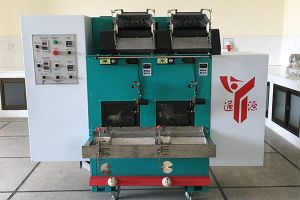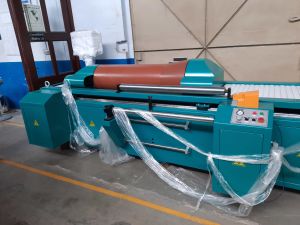


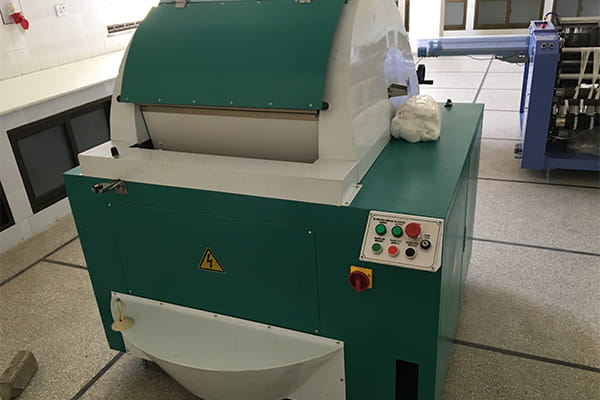
Marjan Polymer Industries supplies and configures Sample Warping Machines in Pakistan for economical preparation of short warps used in fabric development, weaving trials, teaching and limited sampling. Often called a mini warper or warp-sampling machine, the equipment lays yarn on a controlled drum in the required end sequence before transferring the prepared warp to a sample beam.
The machine is selected around sample width, warp length, total ends, colour repeat, yarn type, tension range, package count, drum geometry, beam dimensions and the downstream sample loom. MPI can provide a compact single-end system or evaluate more automated multi-guide and colour-change solutions when the sampling programme requires higher productivity.
Efficient Warp Preparation for Sampling
Conventional warping can consume substantial yarn and setup time when only a few metres of fabric are needed. A sample warper builds the required warp from fewer yarn packages and allows colour order, end count and repeat to be changed between developments.
Accuracy remains essential. Uneven end spacing, incorrect colour order, tension variation or poor beam transfer can appear as streaks, width changes and warp stops during weaving. The warper, creel, traverse, lease and beaming method must work as one system.
Available Sample Warping Configurations
| Configuration | Typical Use | Available Design Approach |
|---|---|---|
| Manual single-end mini warper | Teaching, very short samples and simple colour plans | Hand or low-speed drive with controlled drum and manual yarn change |
| Semi-automatic sample warper | University laboratories and frequent development work | Motorized drum, servo traverse, length counter and guided colour change |
| Computerized single-end warper | Repeatable colour sequences and higher sample throughput | Recipe-based traverse, end count, length, tension and stop control |
| Multi-guide warp sampling system | More complex patterns and medium-length sample warps | Multiple independently controlled yarn guides with automated sequence functions |
| Custom technical-yarn warper | Glass, carbon, aramid, elastic or specialty-yarn studies | Application-specific creel, tension, guide material, antistatic and beam design |
Applications in Textile Development
- Woven fabric design and colourway trials
- Dobby and Jacquard sample preparation
- Shirting, apparel, home-textile and upholstery development
- Terry, industrial and technical-fabric trials when the sample system is suitable
- University textile-engineering laboratories and vocational training
- Yarn, finish, size and weaving-parameter comparison
- Customer approval samples and small design collections
- Research with cotton, blends, synthetic filaments and approved technical yarns
Reference Mini-Warper Configuration
The existing reference product is a compact, single-end Sample Warping Machine with a motorized drum and servo-controlled yarn traverse. The recorded concept uses one yarn package at a time with manual yarn or colour change, making it suitable for controlled laboratory samples and teaching.
| Reference Parameter | Recorded Value / Arrangement | Contract Note |
|---|---|---|
| Warping width | Approximately 0–500 mm | Usable width depends on drum, guide and beam arrangement |
| Reference speed | Adjustable up to approximately 500 m/min | Safe working speed depends on yarn, package, tension and drum balance |
| Yarn range | Approximately 5–500 tex recorded window | Suitability requires actual yarn trials |
| Drum / sample configuration | Approximately 2.4 m or 3 m reference options | Exact circumference and producible warp lengths are stated in the drawing |
| Package positions | One package in the basic concept | Manual colour change; multi-package options quoted separately |
| Traverse | Servo-controlled yarn arrangement | Recorded command resolution approximately 0.01 mm; practical accuracy is verified under yarn tension |
| Reference beam barrel | Approximately 60 mm diameter | Flange, width, shaft and loom compatibility require approval |
Specification control: values above describe the current reference concept. The signed quotation, drawing, datasheet and nameplate govern the supplied machine.
Configurable Technical Scope
| Parameter | Available Selection | Defined From |
|---|---|---|
| Sample width | Compact and project-specific laboratory widths | Sample-loom reed space, selvedge and design repeat |
| Warp length | Short fixed or programmable lengths within drum and transfer limits | Fabric requirement, loom waste and test programme |
| Yarn packages | Single-package, small creel or automated multi-guide arrangements | Colour repeat, yarn count and required productivity |
| Traverse | Manual, geared or servo-controlled yarn laying | End spacing, width accuracy and automation level |
| Tension control | Disc, spring, magnetic, dancer or driven solutions | Yarn sensitivity, elasticity and speed |
| Leasing | Manual or automated lease insertion | Downstream drawing-in and beam-transfer method |
| Beaming | Integrated or separate transfer to a compatible sample beam | Beam dimensions, tension and sample-loom interface |
| Controller | Basic digital settings or recipe-based HMI control | Repeatability, data and operator workflow |
Warp Plan, End Count and Colour Sequence
The warp plan defines total ends, selvedge ends, colour order, repeat and yarn assignment. For a single-end machine, the guide lays the required number of ends for one yarn before the operator changes packages according to the sequence. Automated systems can manage multiple guides or yarn changes.
Input should be checked against the sample-loom reed plan before warping. A digital recipe can reduce counting errors, but yarn labels, package identity and visual confirmation remain important for complex colourways.
Drum Geometry and Yarn Laying
The drum provides the controlled path on which the warp is built. Circumference, usable width, surface finish and dynamic balance determine the available sample lengths and safe speed. The traverse lays successive ends at the programmed spacing without overlap or excessive gaps.
Guide alignment and servo calibration should be verified across the full width. The practical laying accuracy is influenced by yarn diameter, tension, vibration and surface friction, not only by the controller’s command resolution.
Yarn-Tension Control
Constant tension helps produce equal end length and a stable sheet. Package unwinding changes as the package empties, while knots, ballooning, friction and elastic recovery can disturb tension. The creel path should therefore use suitable guides and tensioners.
Fragile filaments, elastomeric yarns, glass, carbon and aramid may require driven feeders, low-friction ceramics, antistatic control or reduced speed. Tension limits are established by trial and recorded with the warp recipe.
Length Measurement and Automatic Stop
An encoder or calibrated measuring system tracks drum revolutions and calculated yarn length. The machine can decelerate and stop at the programmed count, improving repeatability between colour groups and repeat orders.
Measured length should be verified periodically against a reference, especially after drive, encoder or drum changes. Allowance is required for leasing, tie-in, beam transfer and sample-loom waste.
Leasing and Yarn-Order Control
Lease crossings preserve end order and make drawing-in or beam transfer manageable. Manual systems use rods or strings inserted at defined positions, while automated machines can form leasing and sizing separations during the programme.
Missing or incorrect leases can make an otherwise accurate warp difficult to use. The lease plan should identify colour changes, repeat boundaries and any sections required by the downstream loom.
Beam Transfer and Sample-Loom Compatibility
After warping, the sheet is transferred from the drum to a sample beam under controlled tension. Beam barrel diameter, flange diameter, working width, shaft ends and mounting must match the loom or the transfer fixture.
The transfer path should prevent crossed ends, edge collapse and differential stretch. A pressure roller, expansion comb or guided winding device may be included according to warp width and yarn type.
Yarn Compatibility
- Cotton and cotton-blend spun yarns
- Polyester, nylon and other synthetic filament or spun yarns
- Wool blends and specialty apparel yarns where tension is suitable
- Glass, carbon, aramid, jute and technical yarns after contact-material and safety review
- Elastic yarns with positive or driven feeding where required
- Novelty and effect yarns subject to guide, package and tension trials
A stated tex range does not prove every yarn will run at maximum speed. Package quality, hairiness, twist, friction, stiffness and elasticity all affect performance.
Controller and Recipe Functions
A computerized system can store sample width, length, end count, traverse pitch, colour groups, speed and stop points. An HMI can display progress, alarms, current yarn group and maintenance reminders.
Options can include barcode or job identification, recipe backup, network transfer and production records. The exact software, licensing and file interface must be defined before supply.
Integration with CAD and Sample Weaving
Textile CAD can create a fabric design, colour order, warp plan and draft. The warping data must then be translated into a machine-compatible recipe and checked against sample-loom capacity.
MPI can define a connected sampling workflow covering sample warping, single-end or beam sizing, drawing-in and dobby/Jacquard sample weaving. Each interface and data handoff is listed in the project scope.
Productivity and Changeover
Sample-warper productivity depends on total ends, warp length, colours, package changes, leasing and beam transfer. A high drum speed has limited value if the job requires frequent manual changes or long setup.
Useful performance measures include complete warp preparation time, yarn waste, recipe accuracy, stops, transfer time and successful first weaving. Standard operating procedures and labelled yarn staging can significantly reduce errors.
Quality Checks and Acceptance Criteria
| Check | Purpose | Acceptance Method |
|---|---|---|
| Width and end spacing | Prevents crowding, gaps and edge variation | Measured at defined drum positions |
| Length repeatability | Supports equal ends and repeat jobs | Encoder verification and sample measurement |
| Colour sequence | Confirms design accuracy | Recipe-to-warp visual count |
| End tension | Controls stretch and beam quality | Calibrated tension test on representative yarn |
| Automatic stop | Prevents overrun and yarn damage | Programmed length and yarn-break trials |
| Beam transfer | Confirms downstream usability | Transfer and sample-loom mounting trial |
Utilities and Installation Requirements
- Stable electrical supply matched to motor, controller and auxiliaries
- Level floor with clearance around drum, creel and beam-transfer path
- Controlled environment suitable for yarn conditioning
- Compressed air only when pneumatic devices are selected
- Safe package storage, beam handling and operator access
- Computer or network connection where recipe integration is included
Safety and Operator Protection
The rotating drum, traversing guide, drive and beam-transfer mechanisms create entanglement and pinch hazards. Required safeguards include emergency stop, fixed or interlocked guards, an accident-protection bar and controlled deceleration.
Loose clothing, hair and tools must be kept away from moving yarn and drums. Technical fibres may require dust extraction, cut-resistant handling or respiratory controls based on the yarn supplier’s safety information.
Cleaning and Preventive Maintenance
Remove lint, broken ends and yarn finish from guides, tensioners, drum and sensors. Precision guides should be inspected for grooves that can damage filament. Keep the drum surface clean and free from adhesive residue.
Scheduled work covers drive belts or couplings, bearings, brake, servo traverse, encoder, guide alignment, emergency devices and electrical connections. Recipe backups and calibration records should be maintained.
Supply and Support in Pakistan
MPI supports textile mills, universities, design centres and research teams across Pakistan with requirements review, machine selection, custom engineering, installation, commissioning and training.
Recommended spares can include guides, tensioners, sensors, belts, bearings, brake parts and controller backups. The list is matched to yarn type, machine configuration and planned use.
Information Required for a Quotation
- Sample fabric types, maximum width and required warp length
- Total ends, colour repeat and number of yarn packages
- Yarn fibre, count or tex, twist, finish and elasticity
- Sample-beam barrel, flange, width, shaft and maximum mass
- Sample-loom model, reed space and mounting arrangement
- Required speed, traverse accuracy, tension and automatic functions
- Leasing, beaming, CAD and recipe-data requirements
- Electrical supply, laboratory location and safety controls
- Installation, training, documentation and acceptance requirements
Sample Warping Machine Price in Pakistan
Price depends on drum and working width, package positions, servo traverse, tension system, controller, automatic colour or guide functions, lease insertion, beaming equipment, software, freight and support. A manual mini warper and a computerized multi-guide sampling system are different technical scopes.
MPI issues a quotation after reviewing the warp plan and sample-loom interface. The offer identifies included accessories, limits, utilities, delivery, warranty and acceptance conditions.
Installation, Training and Limited Warranty
Installation can include positioning, drum and guide checks, electrical connection, traverse calibration, length verification, beam interface and a trial warp. Training covers safe threading, recipe entry, colour changes, leasing, transfer, cleaning and maintenance.
Warranty terms are stated in the commercial offer and normally cover eligible manufacturing defects for the agreed period. Guides, tension elements, belts and other wear items, yarn damage, incorrect utilities, misuse and unauthorized modification are excluded unless the contract states otherwise.
Frequently Asked Questions
What is a Sample Warping Machine?
It is a compact warper that prepares short, accurately sequenced warps for fabric sampling, teaching and development before transfer to a sample beam.
Why use a mini warper instead of a production warper?
A mini warper uses less yarn and setup time for short developments, making colour and construction trials more economical.
Can it prepare multicolour warps?
Yes. A single-end system uses planned manual yarn changes, while more automated systems can use multiple guides or programmed colour functions.
Which yarns can be warped?
Cotton, blends, polyester, nylon and selected technical or elastic yarns can be processed when the guides, tension and feeding system are suitable.
How are warp length and end count controlled?
An encoder or metre counter measures drum travel while the recipe controls end groups, traverse position and automatic stop points.
Can the machine connect with textile CAD?
Computerized configurations can accept or use data derived from a CAD warp plan when the required file and software interface are defined.
Is a beam-transfer system included?
It can be included, but beam dimensions and the sample-loom mounting interface must be provided before quotation.
What determines warping speed?
Safe speed depends on yarn, package quality, tension, colour changes, guide movement, drum balance and the required accuracy.
Is installation and training available in Pakistan?
Yes. MPI can provide installation, commissioning and operator training in Pakistan when included in the project scope.
What information is required for a quotation?
Provide sample width and length, ends, colour sequence, yarn data, beam drawing, sample-loom details, automation, utilities and support requirements.
Request a Sample Warping Proposal
Send MPI your sample-fabric width, warp length, colour plan, yarn specifications and sample-beam drawing. We will define a suitable Sample Warping Machine configuration and prepare a clear technical and commercial proposal for supply in Pakistan.